
If you’ve never tried Japanese dried persimmons, also known as Hoshigaki, you’re truly missing out on one of Japan’s most beloved winter treats.
I absolutely love hoshigaki. Every year, from December to January in Japan, dried persimmons start appearing in stores, and it has become my personal tradition to order hoshigaki from shops I trust.
My daughter loves them too, which makes them even more special in our household.

Hoshigaki is so yummy!!!
What Is Hoshigaki?
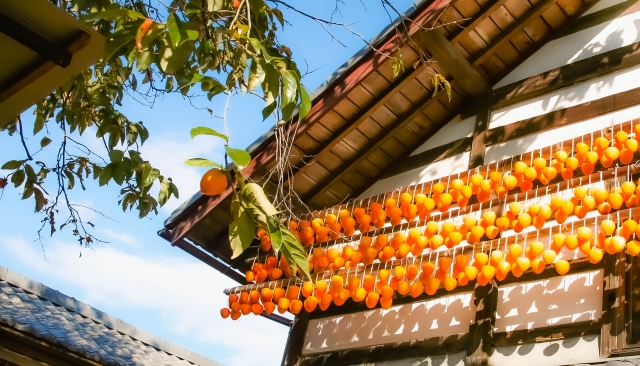
Hoshigaki is a type of traditional Japanese dried fruit made by peeling persimmons and drying them naturally in the sun.
Unlike fresh sweet persimmons, hoshigaki is made from astringent persimmons, yet the result is surprisingly sweet—some say up to 1.5 times sweeter than sugar.
The texture is completely different from fresh persimmons. It’s soft, slightly chewy, and almost jelly-like, with a deep, natural sweetness. Honestly, it’s incredibly delicious.
Nutritional Benefits of Dried Persimmons
Hoshigaki isn’t just tasty—it’s also nutrient-rich, making it a great snack choice for health and beauty.
It contains:
- Potassium
- Vitamin A
- Dietary fiber
- Persimmon tannins (a type of polyphenol)
- Beta-carotene
- Vitamin C
No wonder it’s often considered a natural winter superfood in Japan.
In our home, I’ve replaced processed snacks with one dried persimmon a day during winter.
⚠️ Since dried persimmons are high in natural sugars, one per day is the perfect amount.
My Personal Recommendation: Ichida-gaki
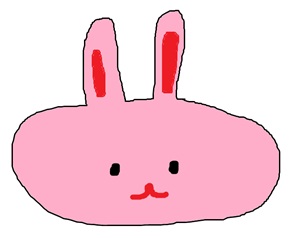
My absolute favorite is Ichida-gaki!!
Especially those produced in Shimoina District, Nagano Prefecture.
I can really tell the difference between authentic, locally grown Ichida persimmons and those grown elsewhere. The flavor, texture, and sweetness are simply on another level.
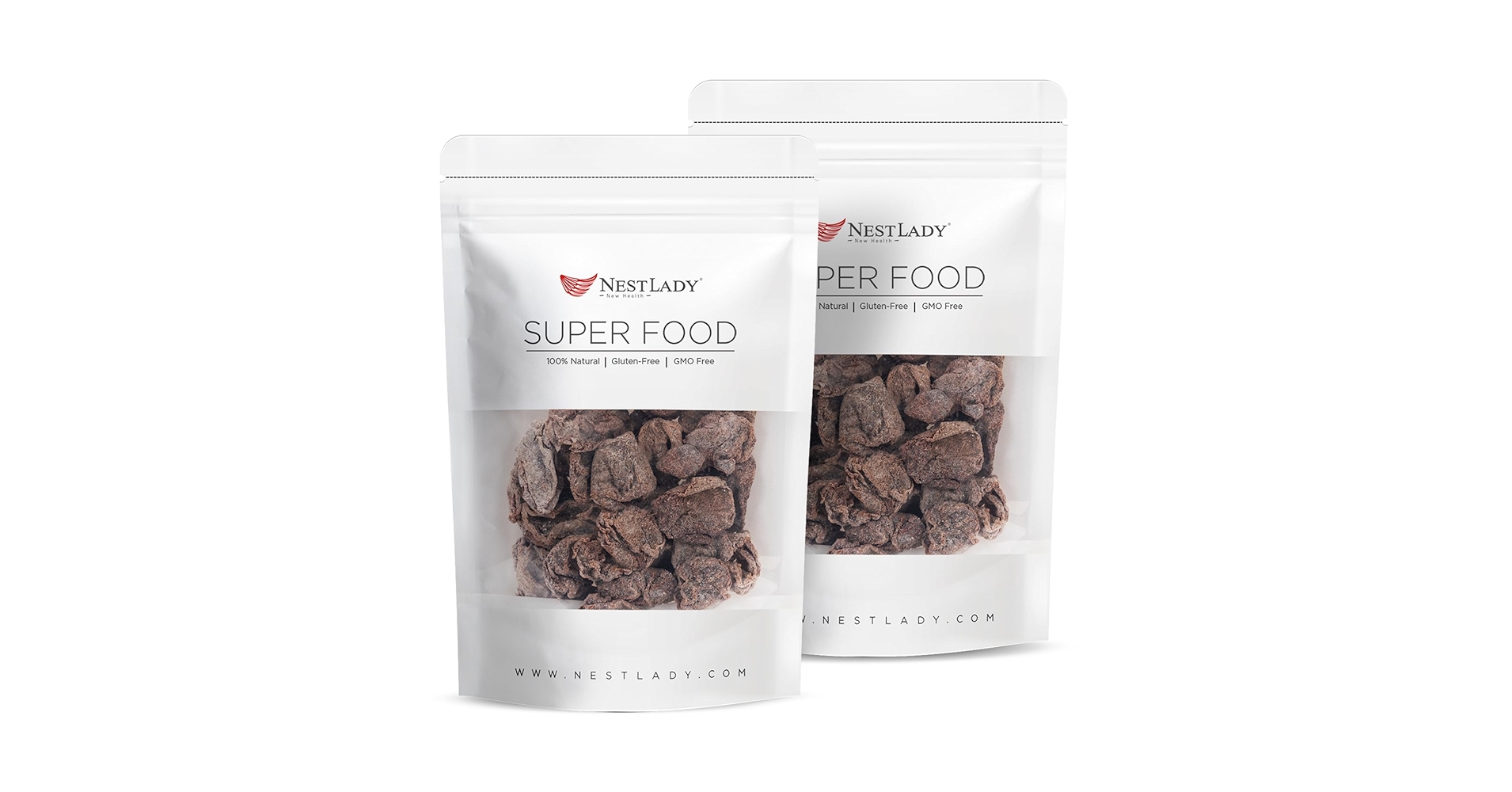
Unfortunately, high-quality hoshigaki can be hard to find overseas, but Amazon does carry Japanese dried persimmons.
👉 Check Japanese Dried Persimmons on Amazon Japan


👉 Check Japanese Dried Persimmons on Amazon USA
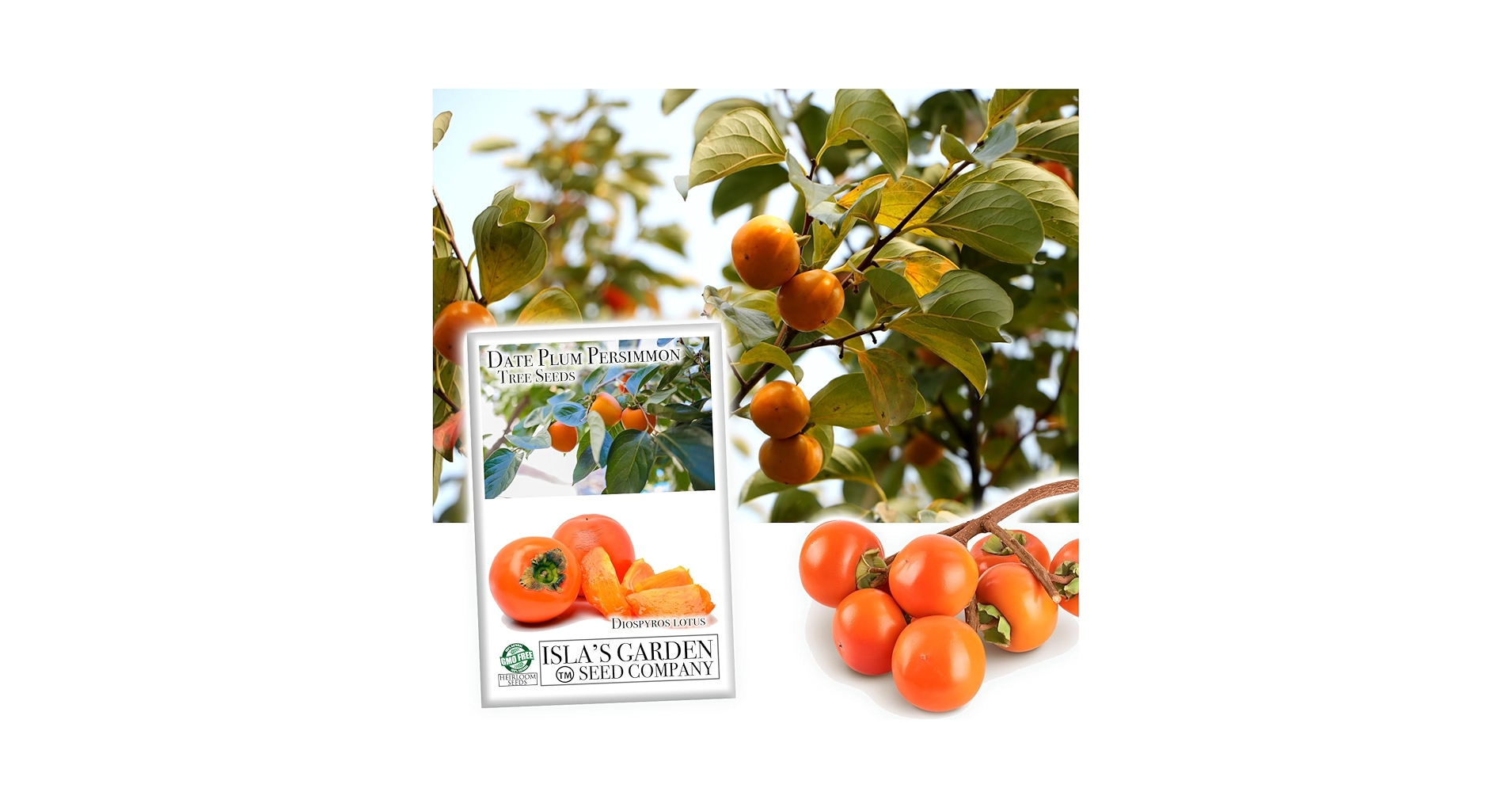
You can even find persimmon seeds for sale. If you have land or a garden, growing persimmons could be a fun challenge!
From what I’ve heard (from neighbors!), persimmon trees don’t need much care and grow quite freely—almost on their own. 😊
How to Make Hoshigaki at Home
Traditional hoshigaki-making is simple but requires patience!
I once tried and it was to firm to eat.
so I buy hoshigaki every year, not making it.
1.Peel the persimmons
Use the peeler, it is easier.
2.Tie them with string
Cut the string to about 60–70 cm and tie each end to the stem of a persimmon.
3.Hang to dry
Make sure they don’t touch each other. Choose a sunny, well-ventilated place.
On rainy days, move them indoors or somewhere protected.
4.Massage after one week
When the surface hardens slightly, gently massage the fruit with your fingers.
This step is very important for texture and sweetness!
5.Dry for 2–3 weeks
I personally prefer them a bit firmer, so I dry them longer.
How We Store Dried Persimmons
At home, we store purchased hoshigaki:
- In the refrigerator (to eat within one month)
- In the freezer for long-term storage
Frozen hoshigaki can last up to one year without losing flavor. I highly recommend freezing them!
Final Thoughts
Hoshigaki is more than just a snack—it’s a traditional Japanese winter food that connects us to nature, seasons, and simple living.
I truly hope you’ll try this delicious dried fruit, nourish your body, and enjoy one of Japan’s most cherished seasonal treats.






コメント