
If you’re a foreigner living in Japan or planning to visit, you might be surprised to learn about one of the most popular trends among elementary school girls—sticker swapping! While it may seem simple at first glance, this playful exchange of colorful stickers is a big part of Japanese school culture.
In this post, I’ll explain what sticker swapping is, which stickers are the most popular, and how kids manage this fun activity. Let’s dive in!
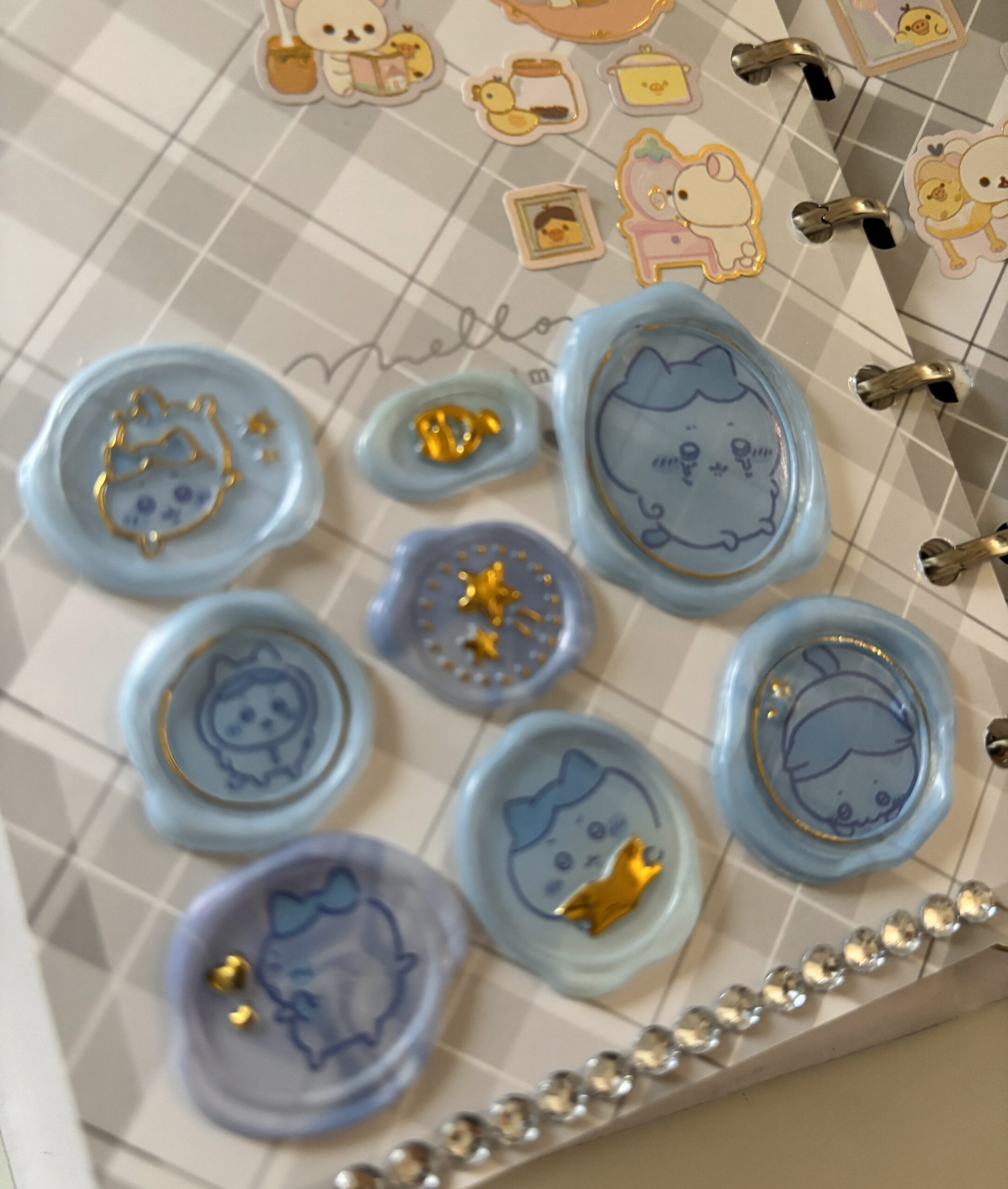
What is Sticker Swapping?
“Sticker swapping” is called “シール交換” (pronounced ‘shīru kōkan’) in Japanese.
Sticker swapping is a popular activity where schoolchildren exchange stickers with their friends. It’s not just about having cute stickers; it’s a way to build friendships and express individuality.
Popular Stickers Among Elementary School Girls
Some stickers are more popular than others, and if you’re not familiar with Japanese sticker culture, you might wonder what makes a sticker special. Here are some of the most beloved types of stickers:
- Sanrio Stickers: The most famous characters from Sanrio, like Hello Kitty and Cinnamoroll, are top choices for trading. These characters are well-loved by children and are seen as “high-status” stickers in the swapping world.
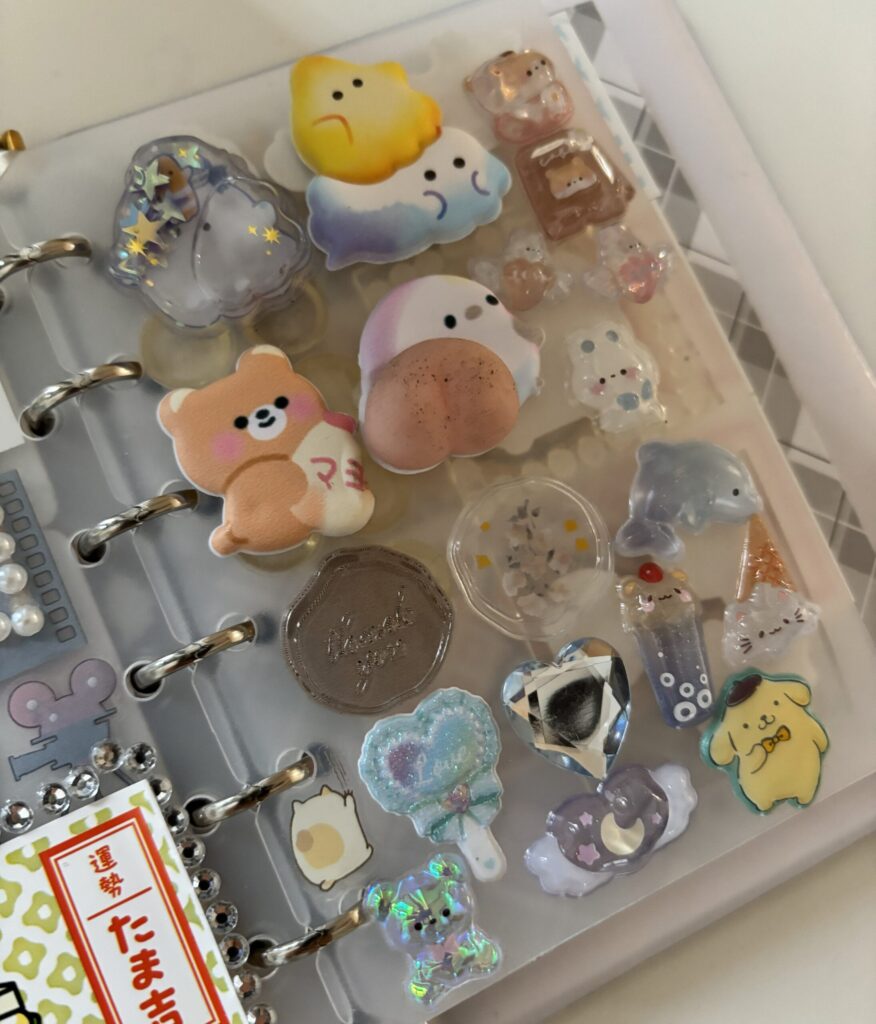
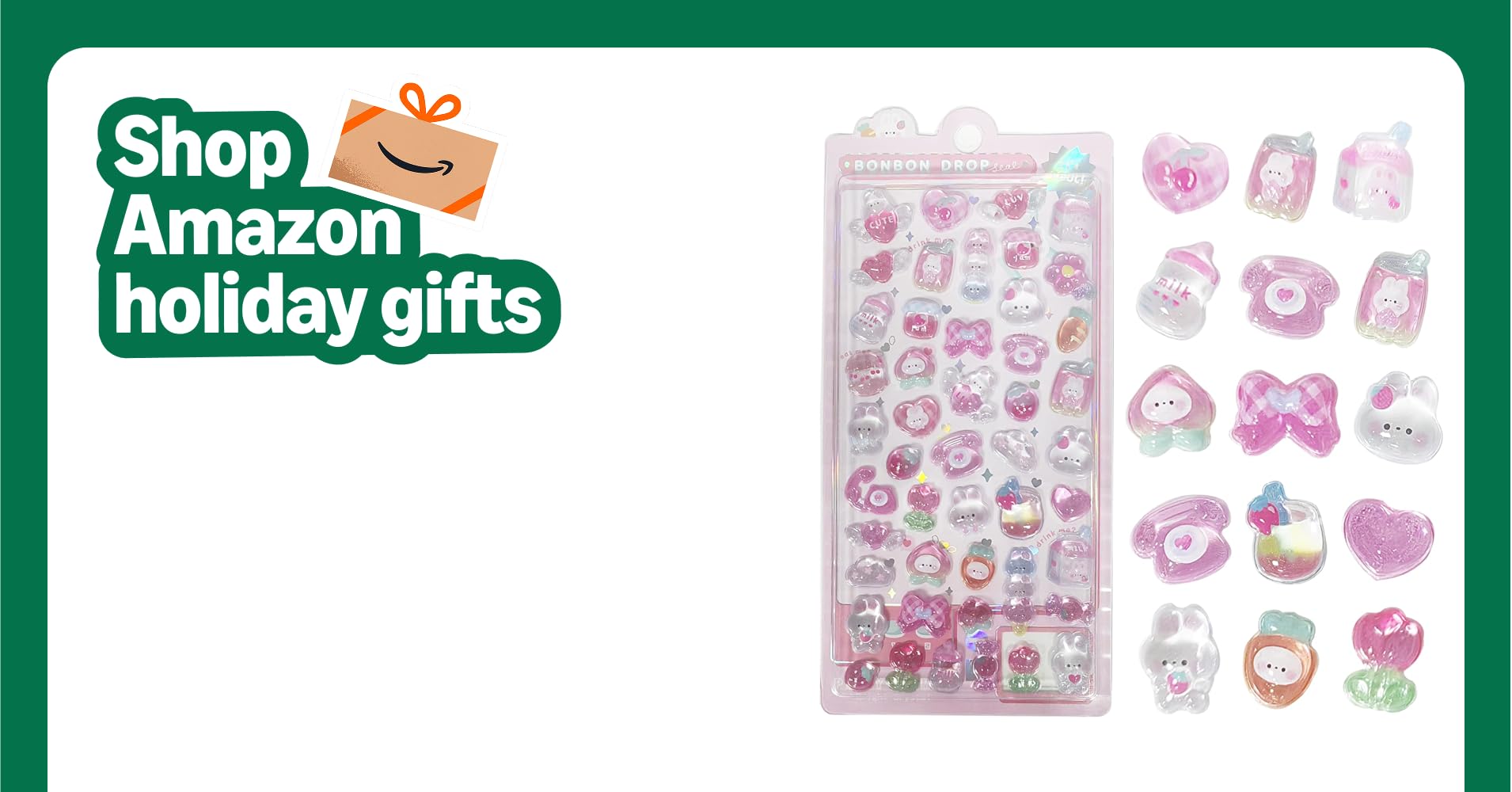
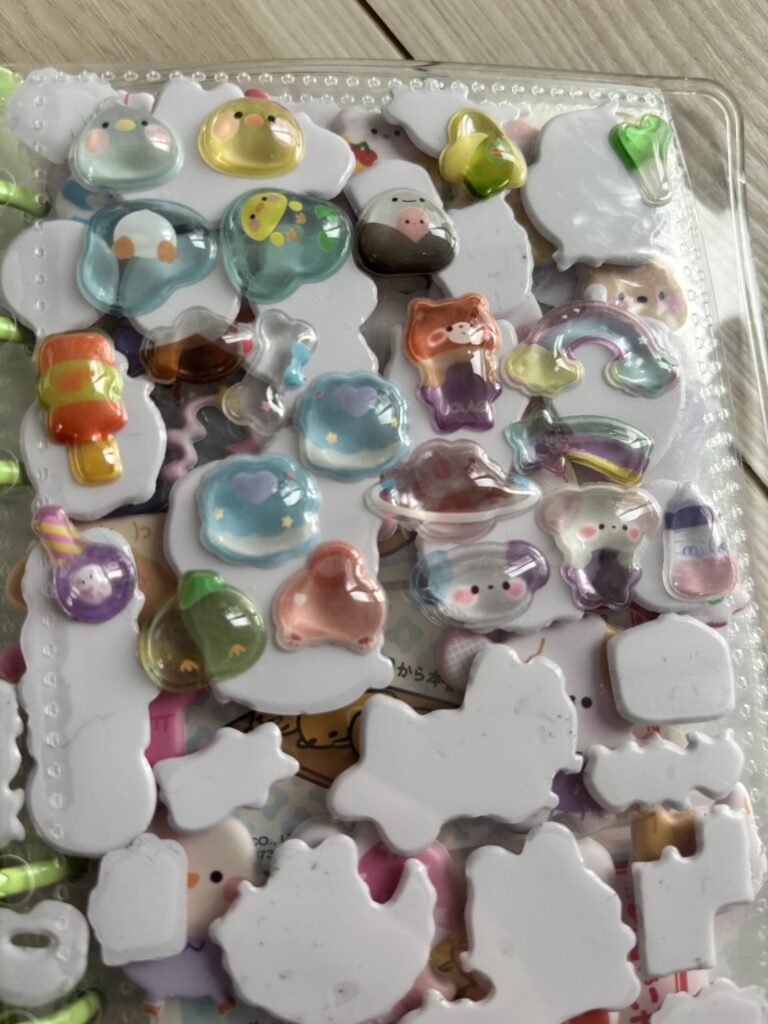
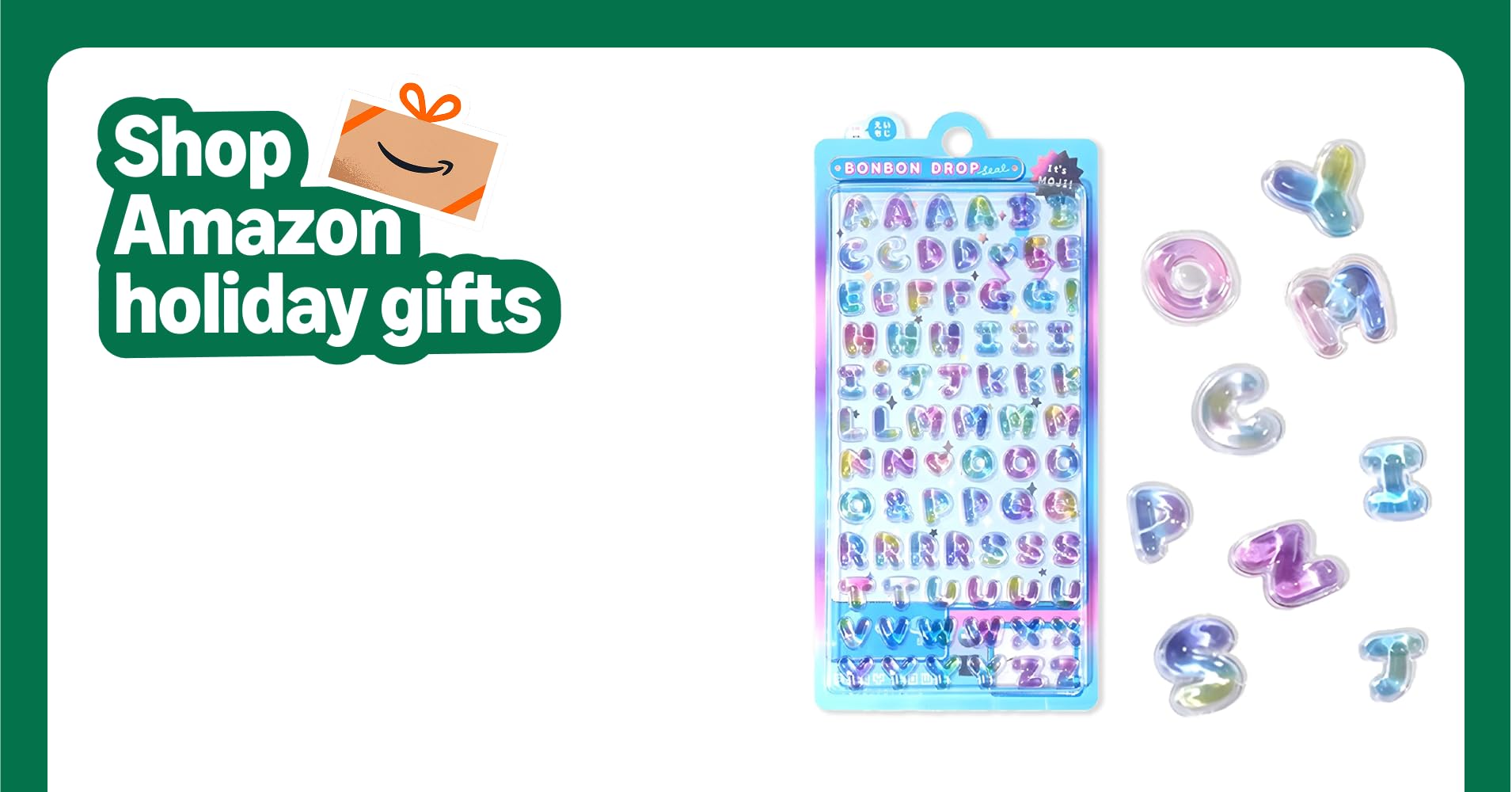
- Puffy Stickers: Stickers that are slightly raised or “puffy” are incredibly popular. These stickers often have a 3D effect, making them fun to touch and even more desirable for trading.
This kind of stickers called “ボンボンドロップ”(pronounced ‘BonBon Drop’) in Japanese. - Water-filled and Shaker Stickers: These are unique stickers that contain water or small items inside that move when shaken. They create an eye-catching effect, making them even more sought after among young collectors.

How Kids Organize Their Stickers
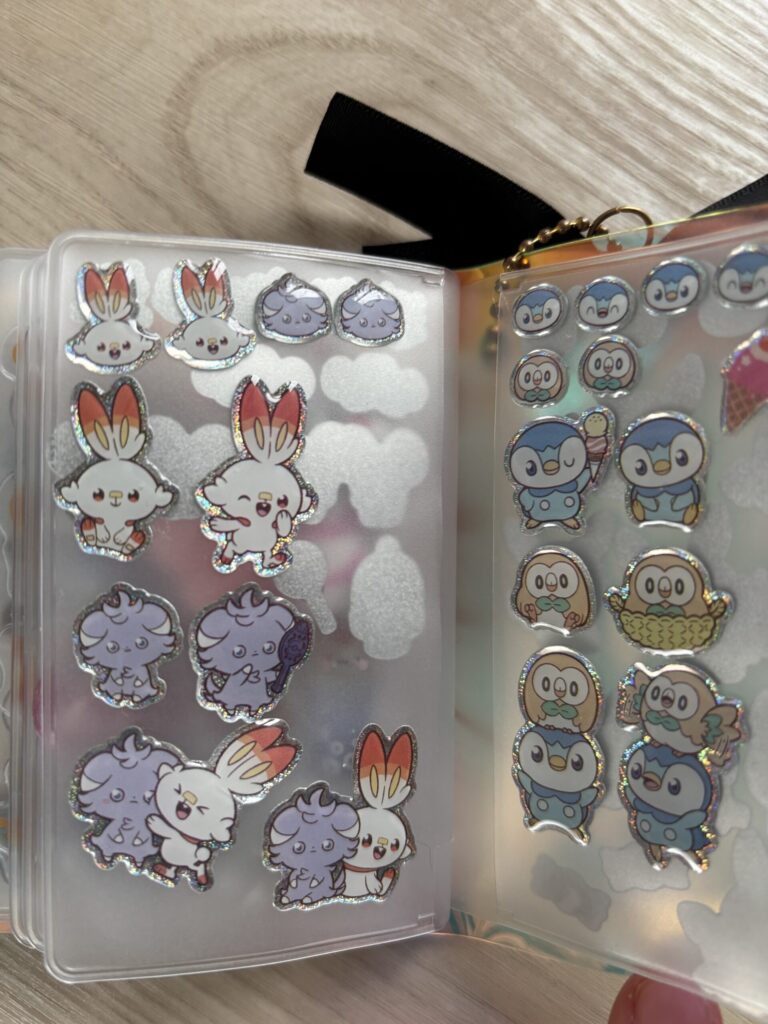
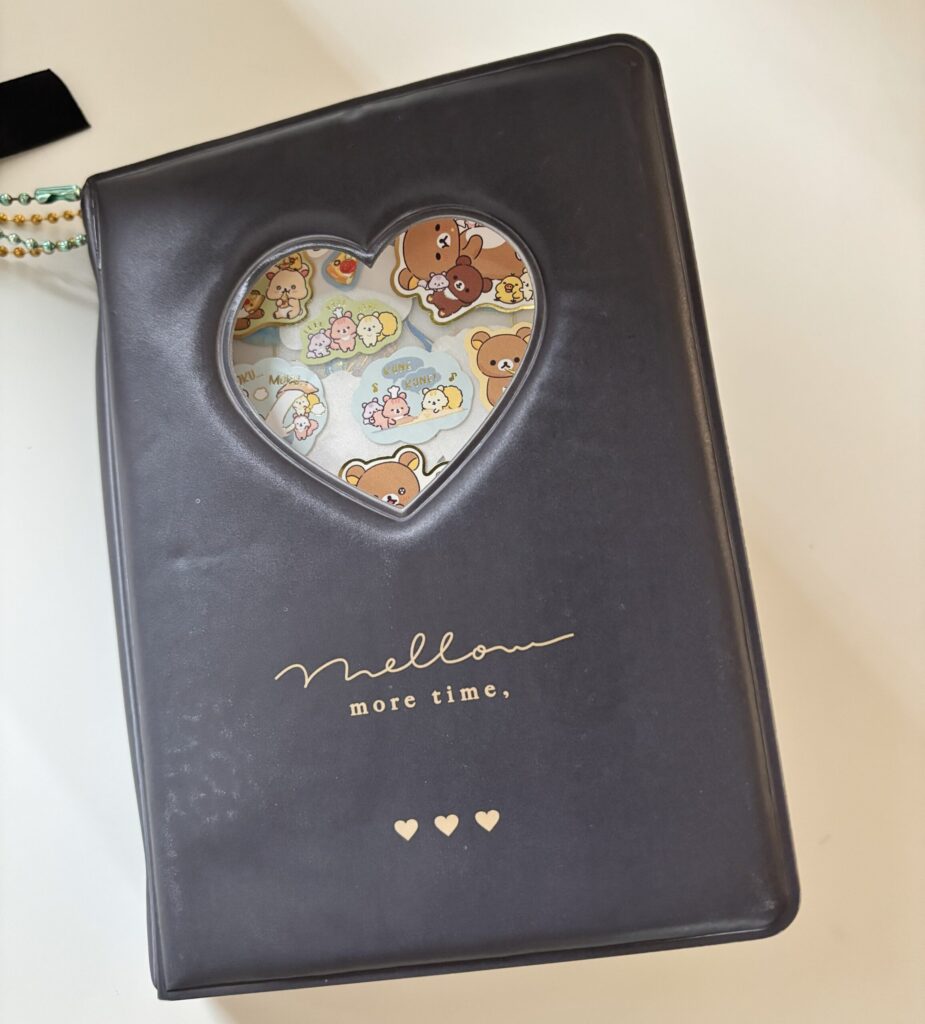
Many kids have two separate sticker albums: one for collecting their favorite stickers and another for trading.
The “collection” album holds all the stickers they love and want to keep, while the “trading” album contains stickers they are willing to exchange with friends. This way, kids can ensure they don’t accidentally swap a sticker they really like with one that’s less valuable to them.
The Rules of Sticker Swapping
There are some basic rules that kids follow to make sure the swapping stays fair and fun:
- Same Value Trades: It’s essential to swap stickers of similar value. If one sticker is more valuable than another, it can lead to disagreements. For example, if one sticker costs around 500 yen, it’s fair to trade it for another sticker of the same price.
- Fair Exchanges: If a child doesn’t have an equivalent sticker to trade, they might exchange three normal stickers instead of one rare one. This ensures that no one feels cheated.
- No Stickers at School: While it may sound like an innocent activity, trading stickers at school can lead to problems, especially if someone feels they’ve been treated unfairly. Therefore, many schools have banned sticker swapping on school grounds.
Sticker Swapping and Financial Literacy

Sticker swapping might seem like just a fun activity for kids, but it actually provides an excellent opportunity to learn about the value of things and the concept of exchange. Through trading stickers, children naturally develop a basic understanding of financial literacy—learning how to assess the value of what they have and what they want in return.
For example, when kids exchange stickers, they start thinking about the value of their own stickers and how they compare to others. They might consider, “This sticker is popular and in demand, so it has more value,” or “This one isn’t as popular, so it might not be worth much in exchange.” This process helps them understand how value works, which is an essential part of financial literacy.
Furthermore, sticker swapping also teaches children the skills of negotiation and trade-offs, as they must decide what they are willing to give up in order to receive something they want. These are important life skills that go beyond just trading stickers and can later be applied to more serious financial decisions.
The Need for Financial Literacy in Japan
In Japan, many adults have lived their lives without formal education in financial literacy. Historically, Japan’s educational system hasn’t emphasized teaching children about money management or understanding the value of financial decisions. As a result, many people grew up without fully understanding concepts like budgeting, saving, or investing.
However, as the world changes and the financial landscape becomes more complex, it is becoming increasingly important for the younger generation to learn these skills. Financial literacy is essential for today’s children, as it will help them make informed decisions in their personal and professional lives, and prepare them for the challenges of managing money in the modern world.
The Parents’ Role and the Price of Stickers
Interestingly, sticker swapping can go beyond just a child’s playtime. Some parents take it quite seriously, helping their children track down rare stickers or even purchasing expensive sticker packs for them.
Speaking of prices, the cost of stickers has increased in recent years. Today, many popular sticker packs can cost around 500 yen or more. However, a problem has arisen with the increase in resale prices. Certain stickers, especially limited edition ones, have been bought up by resellers and sold at much higher prices, making them harder for regular kids to afford.
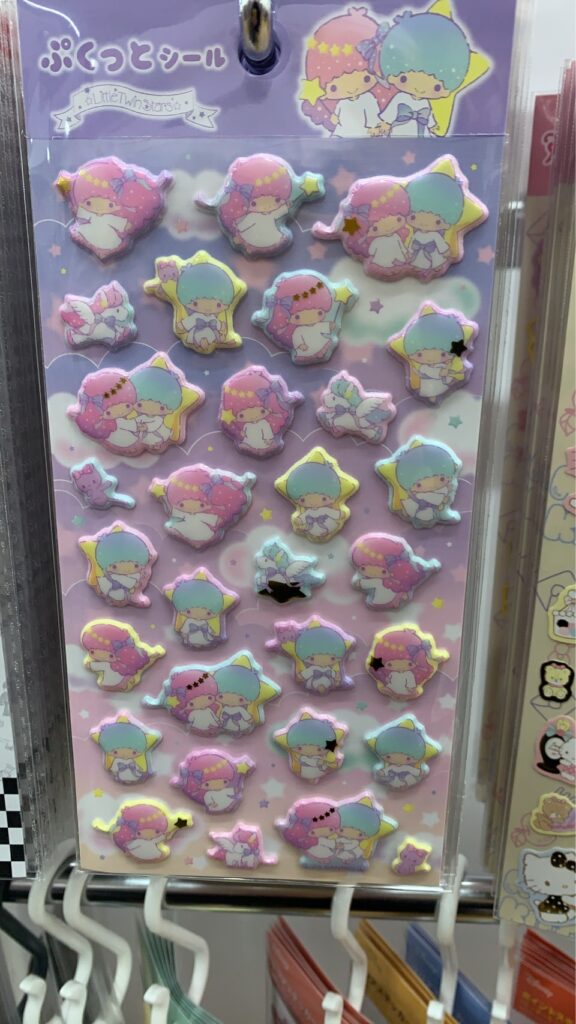
Fortunately, not all hope is lost! Some families are turning to 100 yen stores, where they can find affordable stickers. And there’s also an online community (like Threads or other social media platforms) where parents share tips and information about where to find stickers at a reasonable price.
A Fun Idea for Souvenirs: Foreign Stickers for Japanese Kids
If you’re a foreigner living in Japan, or you’re visiting and want to bring something unique to a young Japanese friend, consider gifting rare international stickers.
Japanese children love receiving unique items from other countries, and a sticker with a character or design not commonly found in Japan can make for a great souvenir. It’s a fun way to introduce them to different cultures, and it’s sure to be a big hit!
Conclusion
Sticker swapping is more than just a simple game in Japan; it’s a part of childhood culture.
Whether you’re a parent navigating this trend with your child or someone new to Japan, understanding this unique practice gives you insight into the local culture and the everyday lives of children here. As sticker trading continues to evolve, it remains a fun and creative way for kids to connect, share, and express their individuality.






コメント