
Hi everyone! In my last post, I talked about the daily school life of Japanese elementary students. Today, I want to share what happens after school.
To be honest, Japanese kids are super busy!
I live in Tokai City, Aichi Prefecture, and I see kids running from one activity to another almost every day.
Here is a real look at what’s popular in my neighborhood right now.
1. After-School Lesson Ranking in My Area
1.Tablet Learning or Kumon (Math/Japanese)
Many kids need a little extra help to keep up with school lessons.
Tablet-based learning is very trendy now!
Our family started with Kumon and moved to a tablet program.
👉


2.English Lessons
Most Japanese parents (my generation!) aren’t fluent in English, so we really want our kids to learn it early.
Most kids go to a local English Class.
3.Swimming
Swimming is a classic!
Historically, many schools built pools after a sad ferry accident in 1955 to ensure kids could swim.
Recently, it’s slightly less popular because some schools now use private buses to go to professional pools instead of having their own.
4.Dance/Ballet/Cheer (Girls) & Soccer (Boys)
K-pop is a huge influence! Girls love dancing in cute outfits.
For boys, soccer is the #1 king—baseball used to be popular, but I rarely hear about it these days.
5.Art Classes
This is surprisingly popular!
Many kids want to be illustrators, maybe because of Japan’s strong Anime and Manga culture.
Classes are often so full you can’t even get in!
6.Shuji (Calligraphy)
Writing neatly is still very important in Japan.
Even though we use PCs as adults, we still value the beauty of hand-written kanji.

By the way, My hand-writing is very bad…
7.Piano
The “standard” elegant hobby for girls.
It’s been popular for decades, though many kids quit when daily practice gets too tough!
2. How Do We Find These Lessons?
Usually, we check Google Maps, look at flyers, or just talk to other “Mama-friends.” However, for my daughter, we chose Online Lessons. Why? Because I wanted to skip the driving time, and the specific classes she wanted weren’t nearby.
Online Art Class 👇


Online English Class👇
オンライン英語専門校【CampusTop!】
3. A Little Trivia: The “Greeting” Culture
One unique thing about Japanese lessons is the “Rei” (Bow).
Whether it’s sports or art, we always start with “Onegai-shimasu” (Please teach me) and end with “Arigatou-gozaimashita” (Thank you).
When you visit a school in Japan, check if the kids greet properly—it’s a great sign of a good school! It’s not just about the skill; it’s about learning respect.
4. My Daughter’s Case: What We Use
Here is what my daughter is currently enjoying and the items we actually use:
A. Online English We use a tablet just for her. It’s great because she can log in by herself, which saves me a lot of work! She has more time to play after school because there’s no travel time.
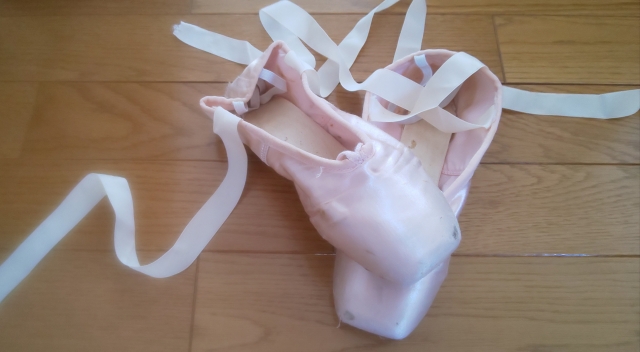
B. Ballet The costumes are so cute! Ballet is strict, but it teaches her great manners, courage (performing on stage!), and good posture.
- [Ballet Shoes] / [Ballet Tights]
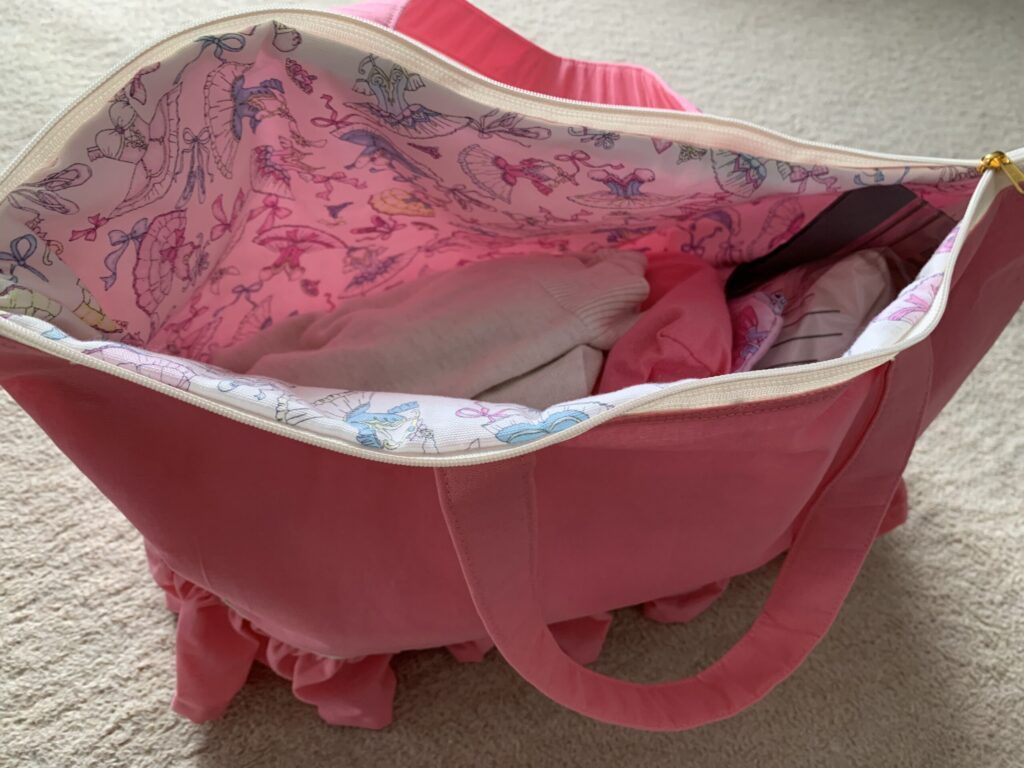
- [Leotard] / [Ballet Bag]
- [Hair Bun Set (Bun covers make them feel like a pro!)]
C. Online Art Class My daughter loves drawing so much that our living room is now an art gallery! She’s learning how to use pencils and brushes properly.
Thanks to this, she even became a Japan Finalist in the Oxford Big Read (Category 1)!

Summary
In Japan today, it’s normal for kids to have lessons 3 to 5 days a week. When I was a kid, it was only 1 or 2 days!
Between homework and lessons, the evening disappears so fast.
Sometimes, I wish they had more time to just relax and “be kids.”
What do you think? Are kids in your country this busy too? Let me know in the comments!


コメント