
Japan’s school entrance season in April is just around the corner.
When you think of spring in Japan, cherry blossoms and randoseru naturally come to mind.
If you’ve recently started living in Japan and have children, you might be wondering:
How do you choose a randoseru? When should you start looking?
In recent years, many randoseru makers announce their new collections more than a year before elementary school starts. Around that time, parents can request catalogs, and exhibition events begin across Japan.
Many families choose their randoseru, make a reservation, and finalize everything by around Golden Week (early May).
Our Recommended Schedule (Based on Our Experience)
Here is the timeline that worked well for our family.
1️⃣ February (Middle Year of Kindergarten): Start requesting catalogs
We started requesting catalogs in February, when our child was in the middle year of kindergarten.
Having physical catalogs at home made it much easier to compare designs, colors, and features together.
2️⃣ Ask your child about colors and designs + check exhibition schedules
From the catalogs, we asked our child which colors and designs they liked.
Then we checked which randoseru exhibitions we could realistically visit.
3️⃣ Visit exhibitions and check the quality in person
Seeing the randoseru in person is very important.
You can check the texture, weight, size, and how it fits your child’s body.
4️⃣ Narrow it down to one design, color, and brand
Too many options can be overwhelming, so we focused on choosing just one.
5️⃣ Place a reservation order
Popular models often sell out early, so reserving is recommended.
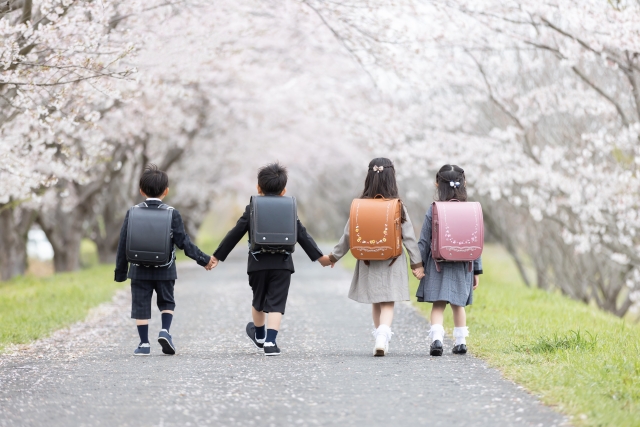
Popular Randoseru Brands in Japan
① TSUCHIYA KABAN (Tsuchiya Kaban)


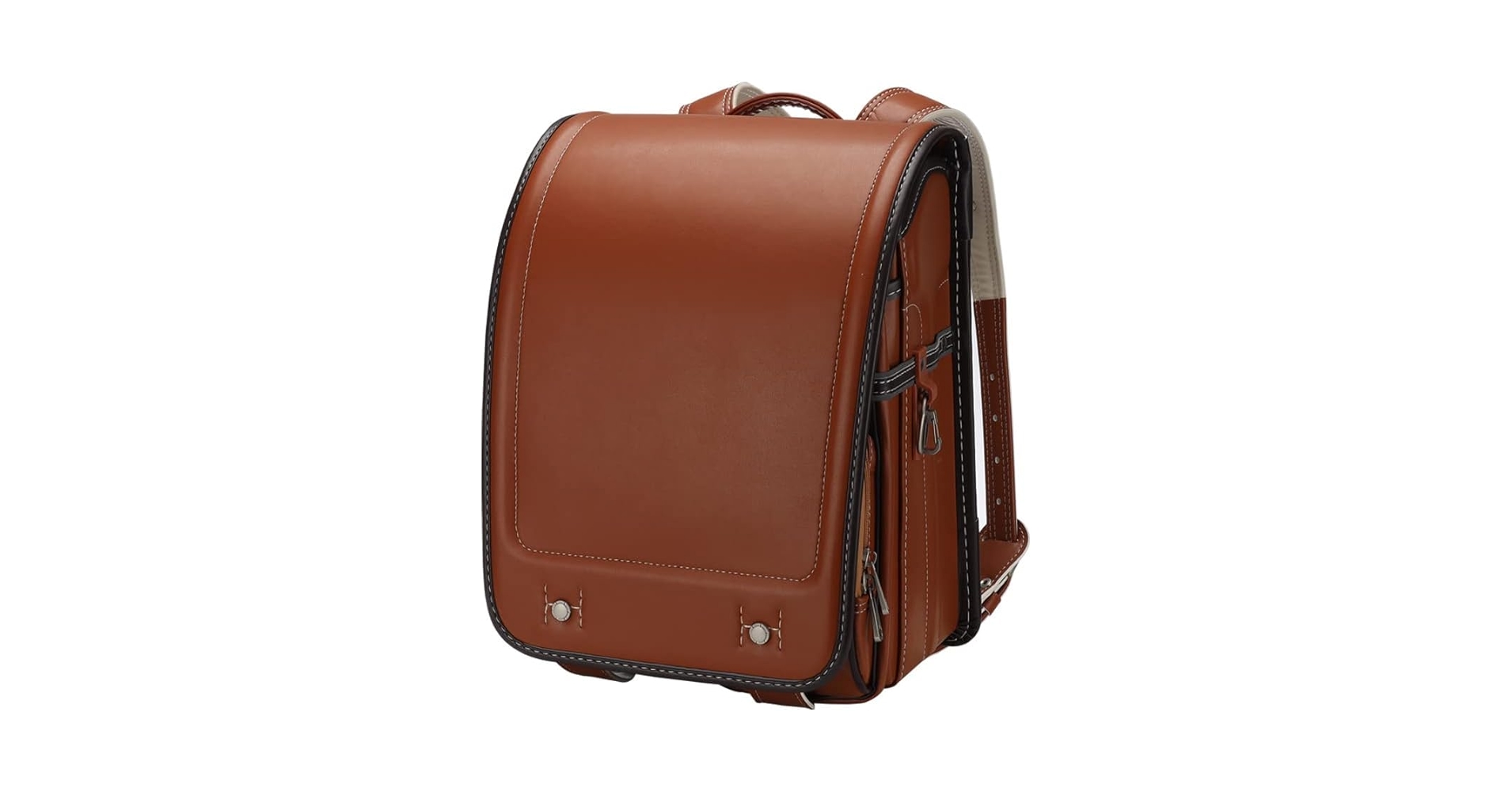
Our family chose a Tsuchiya Kaban randoseru, in a brown color!
I’m a fan of the gold accents on the randoseru!
The leather quality and simple design are beautiful, and we felt it was a very stylish brand.
Because kindergarten children choose based on appearance, adult advice is very important.
A randoseru is used for six years, so we wanted to avoid:
- Very cheap ones that may wear out quickly
- Designs that feel too childish when the child grows older
Simple and timeless designs work well from first grade to sixth grade, which is why we chose this brand.
Here is the link below to get the view of TSUCHIYA KABAN Randoseru👇
【土屋鞄のランドセル】体への負担を軽くするため、背負い心地と使いやすさを大切に
② Grirose (by Tsuchiya Kaban)

Grirose is also extremely popular, especially among girls.
It’s a little more lovely than Tsuchiya Kaban, but still stylish and not too flashy.
The colors are soft and elegant, even when they are colorful.
Many fashionable children we know carry Grirose randoseru!
My Best friend has a Grirose randoseru!
Here is the link to get the view of Grirose Randoseru👇
こころ躍るランドセル【grirose(グリローズ)】
Options for Families Living Outside Japan (Amazon)

If you live outside Japan or prefer an easier option, Amazon offers randoseru and backpack-style school bags that follow current Japanese trends.
Current Randoseru Trends in Japan

Recently, lighter backpack-style school bags have also become popular.
Among our child’s classmates, about 10% chose backpack-type school bags.
They are affordable and lightweight, which is a big advantage.
However, many of these bags start to look worn after just a few years.
If you plan to replace the bag every 2–3 years, a lightweight backpack can be a good option.
That said, most children still carry a traditional randoseru for their entrance ceremony.
Randoseru vs Backpack: Our Honest Thoughts
In summer, especially in hot areas (like where we live), many schools allow children to use backpacks from June to October for heat protection.
During this time, about half of the children switch to backpacks.
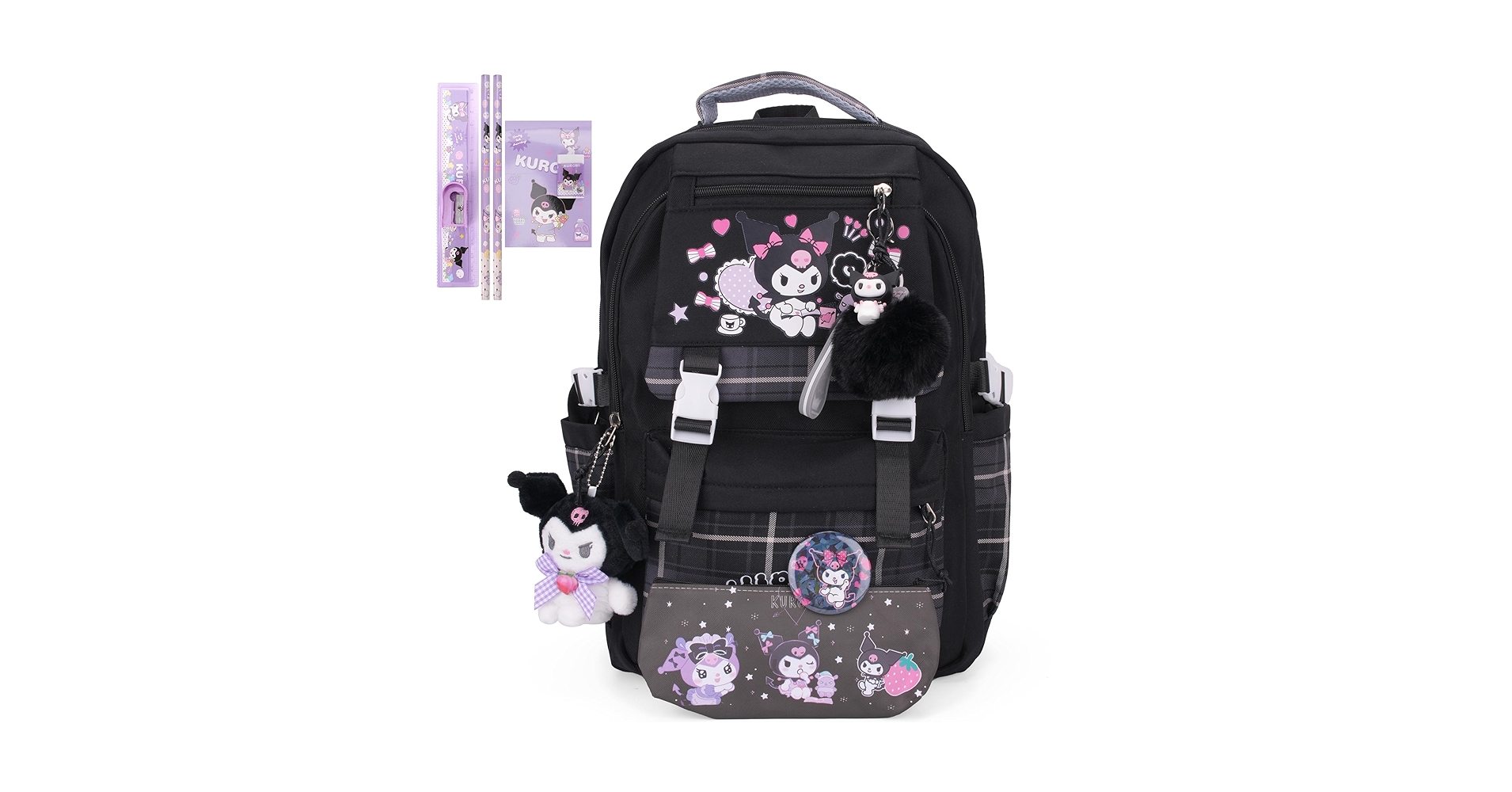
Because of this, you might think a randoseru isn’t necessary, but in our experience:
- Randoseru are well-designed and protect books and notebooks very well
- Backpacks often result in bent or messy textbooks
- Randoseru distribute weight better on the shoulders
Since our home is close to the school, our child uses a randoseru all year round.
Randoseru Covers & Safety Items
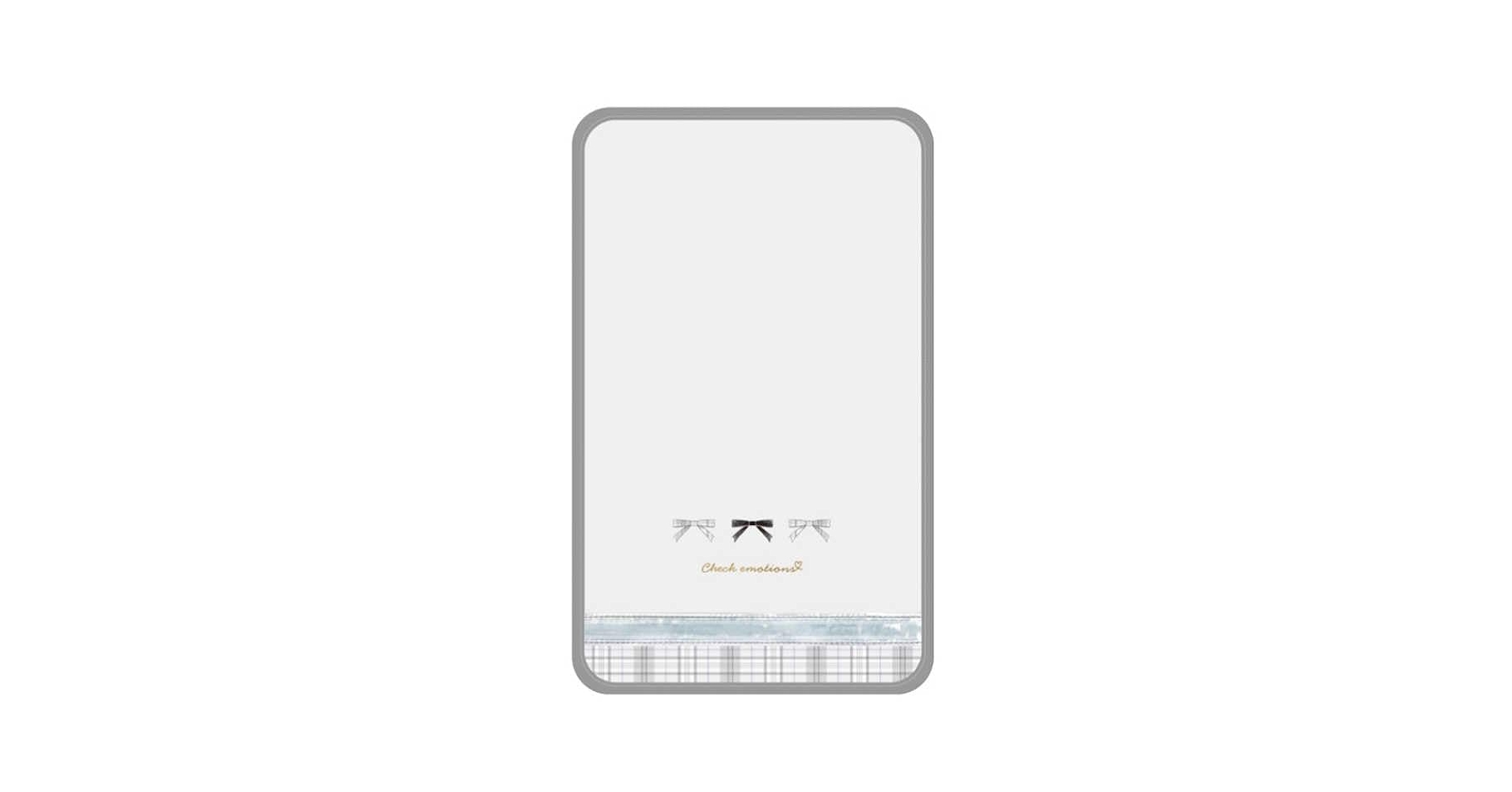
Because a randoseru is used for six years, we use a randoseru cover to protect it.
If you are living in Japan, Here are the recomendation.
This is a recommended randoseru cover that doesn’t fog up! Even after two years of use, it still looks great.


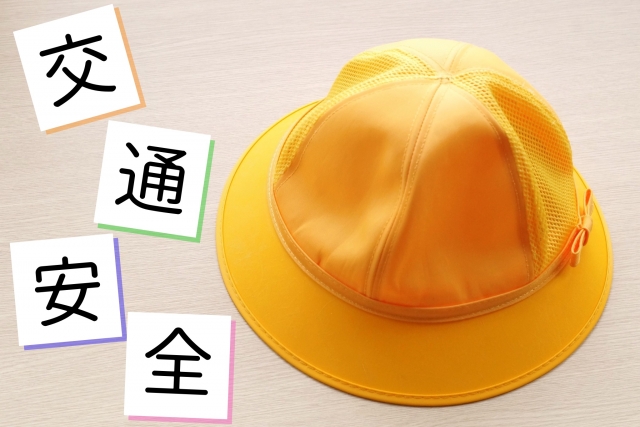
In first grade, children usually receive a bright yellow safety cover from the local city office, along with a yellow hat.
This is for traffic safety and is a very familiar sight in Japan!
It instantly tells you, “That’s a first grader!”
Our favorite rain cover for randoseru
On rainy days, we put a rain cover over our child’s randoseru. The books and notebooks wouldn’t get wet anyway, but we use it to protect the backpack and keep it looking nice. I’ve noticed that boys tend to skip using it!hahaha BOYs!!lol

Final Thoughts
We hope you enjoy choosing a functional and uniquely Japanese randoseru for your child.
In a future post, I plan to write about:
- School supplies needed for Japanese elementary schools
- Entrance ceremony etiquette and clothing
- Other Japan specific school customs
👉 Related article


コメント