
Are you currently studying Japanese? Are you planning to start soon? Or perhaps you’re struggling with standard textbooks and looking for something more “real”?
If so, this post is for you!
While most people buy JLPT-specific study guides, I’ve found that Japanese elementary school textbooks (for lower grades) are actually hidden gems for learning the language and culture.
Having studied in Canada and experienced North American textbooks, I’ve noticed some fascinating differences in the Japanese approach.
Here is why these materials are so effective!
1. Moral Education (Doutoku): Learning the “Heart” of Japan
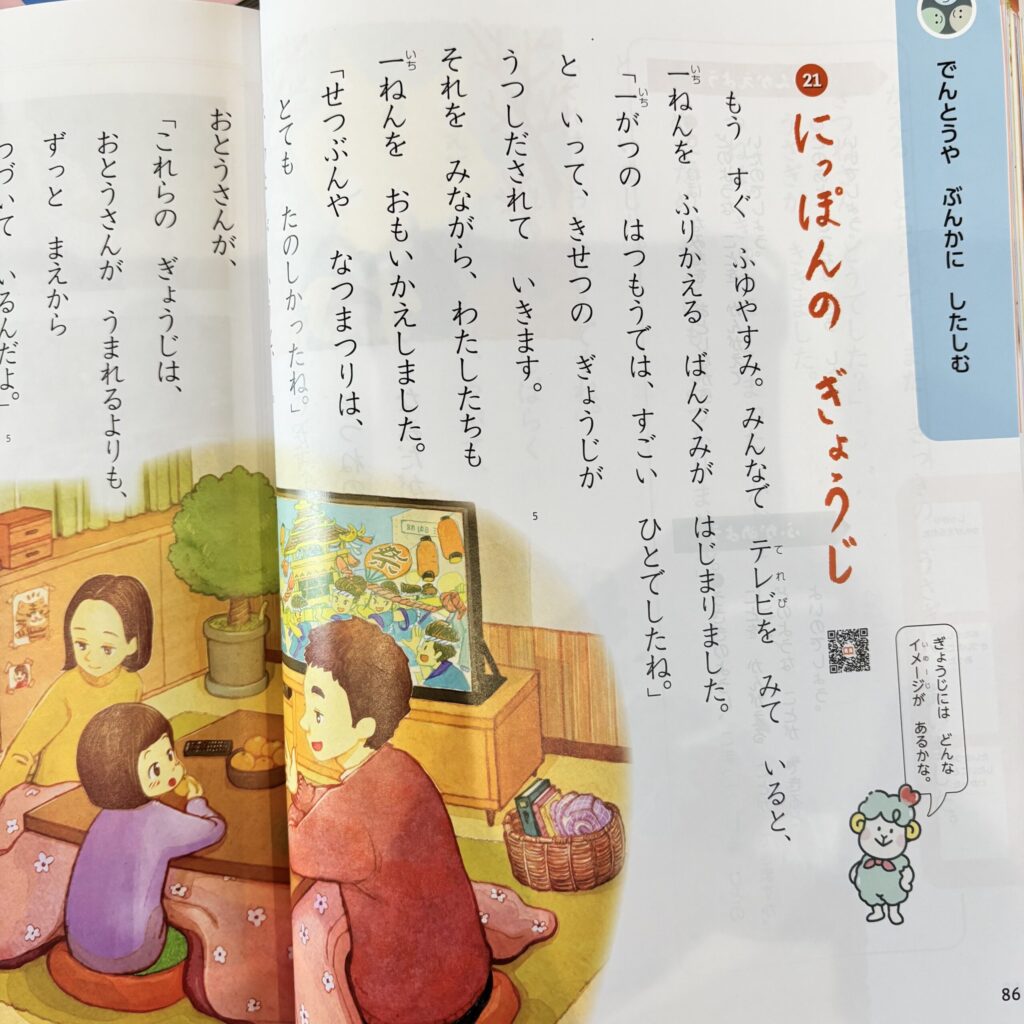
In Japan, we have a unique subject called Moral Education. These textbooks are designed to teach children how to navigate society.
For 1st and 2nd graders, the lessons focus on:
- Relationships: How to make up with friends and express gratitude.
- Empathy: Respecting life and understanding “Gentle words” vs. “Stinging words.”
- Daily Manners: Tips for living harmoniously, including cleaning and organizing—the roots of Japanese Omotenashi.
Since these are written for children, the Japanese is simple, polite, and perfect for beginners to understand the Japanese mindset.
2. Life Studies (Seikatsu): Your Visual Guide to Japan
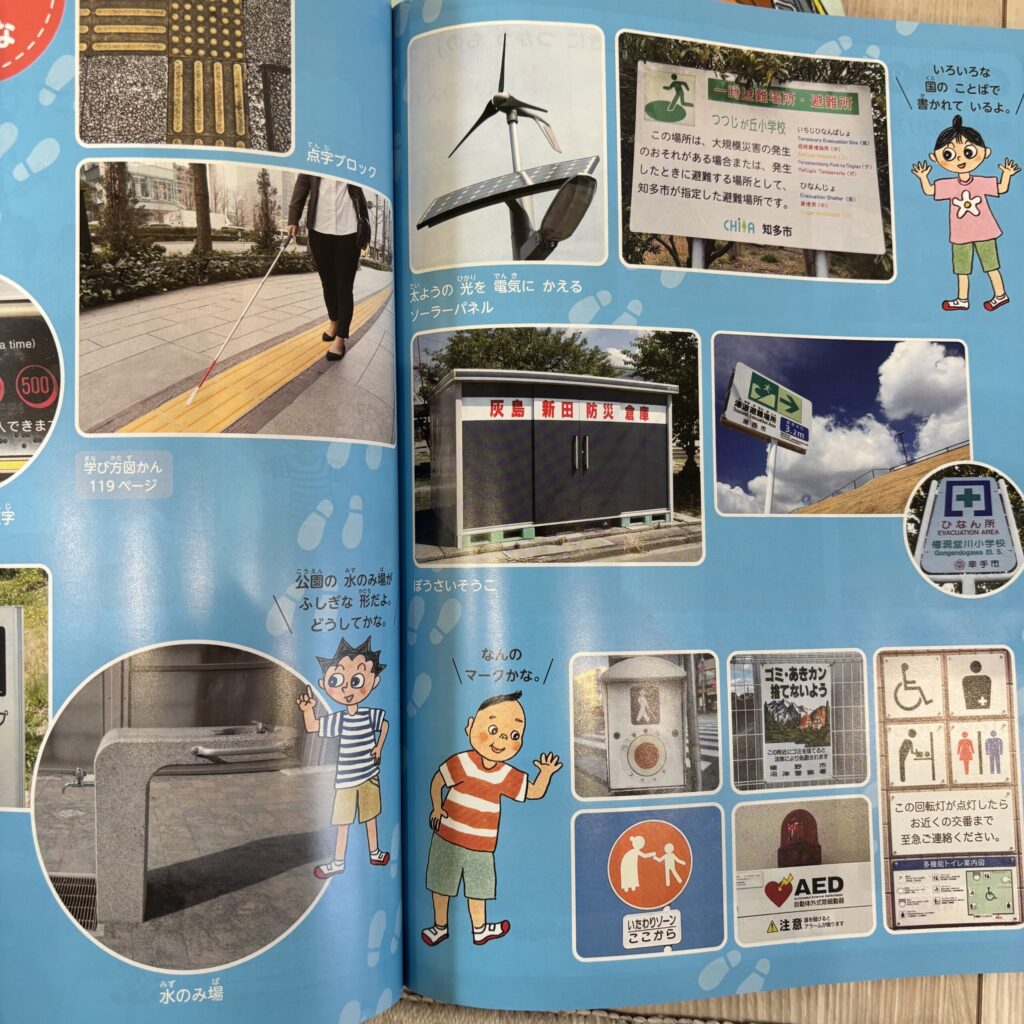
These books are packed with colorful photos and teach children about the four seasons and daily routines.
- Daily Skills: How to grow vegetables, care for living things, and even how to ride a train correctly.
- Safety: Essential knowledge about disaster prevention (earthquakes), which is unique to Japan.
The combination of simple Japanese and rich illustrations makes it an ideal “Survival Guide” for those new to living in Japan!
3. Arts, Crafts, and Music: Culture Through Play
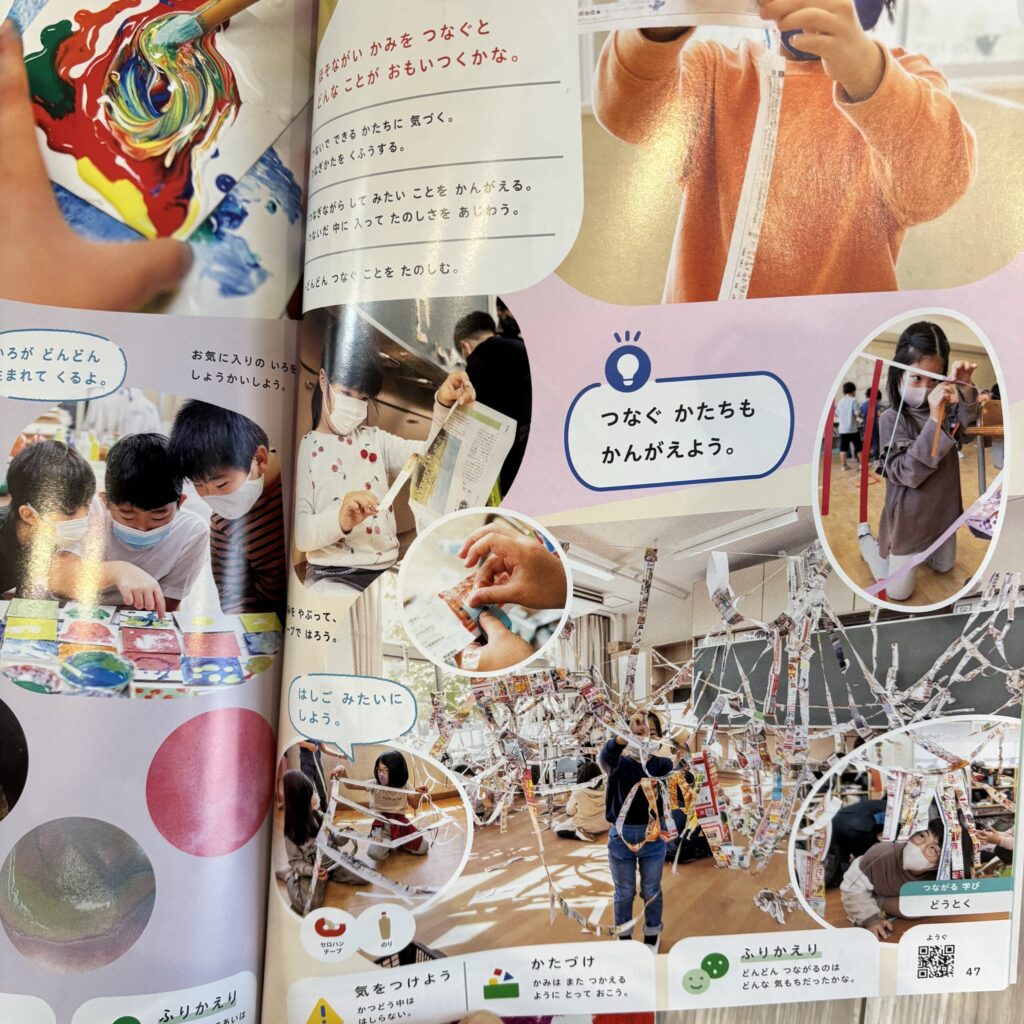
- Arts & Crafts: You can learn about traditional Japanese crafts and activities. It’s a great way to understand the aesthetic sense that starts in childhood.
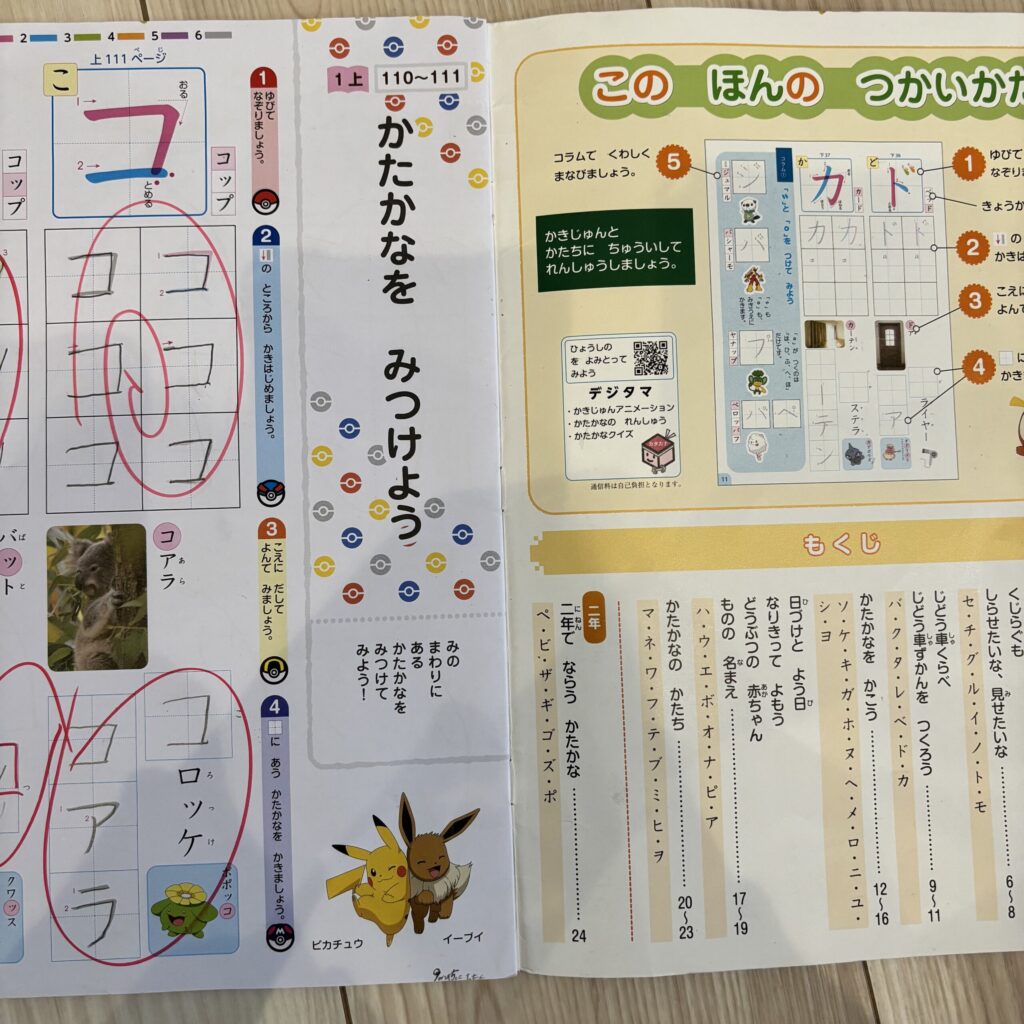
- Music: These books feature classic children’s songs (Dowa) with sheet music. Most songs are written in Hiragana with simple rhythms—excellent for pronunciation practice!
4. Drills and Handwriting: The Secret of “Authentic” Letters
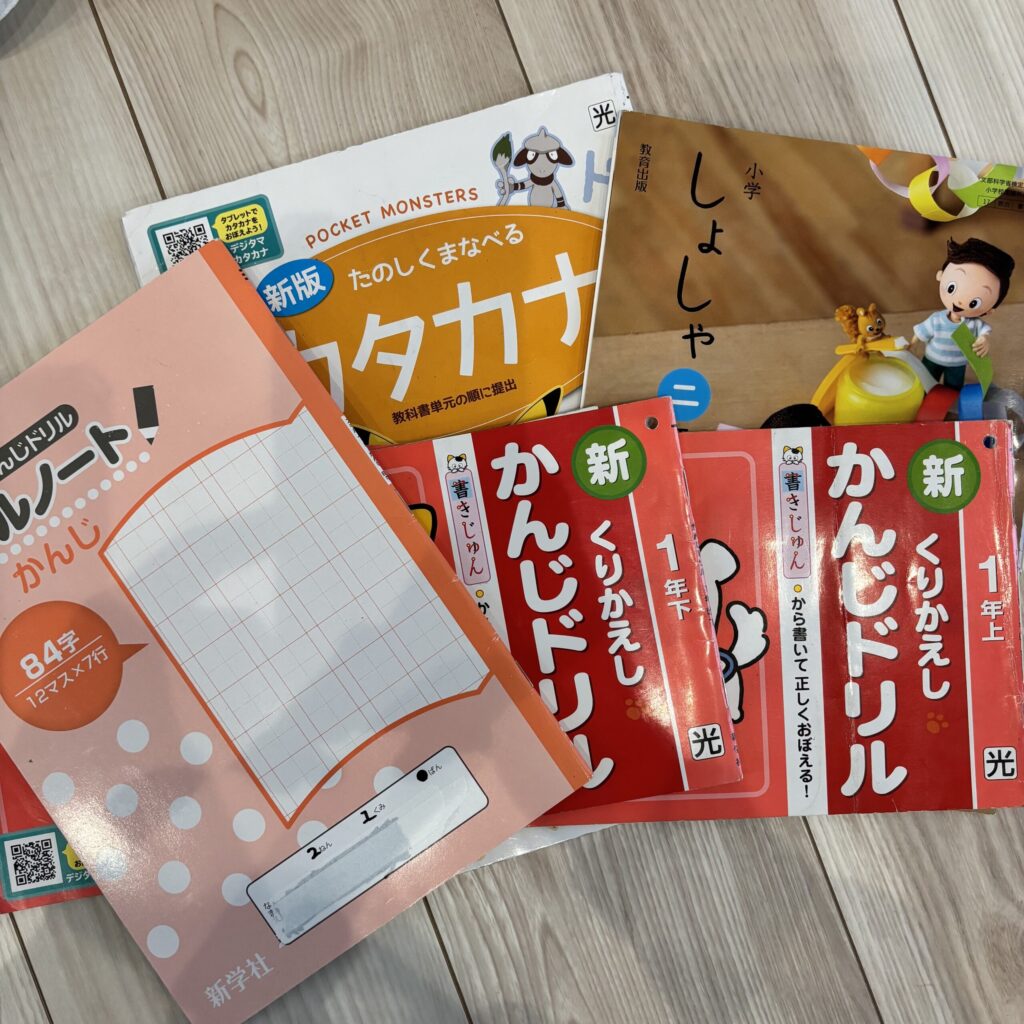
You might think, “Why would I want a drill that’s already been written in?”
Actually, used materials from a Japanese child provide unique benefits:
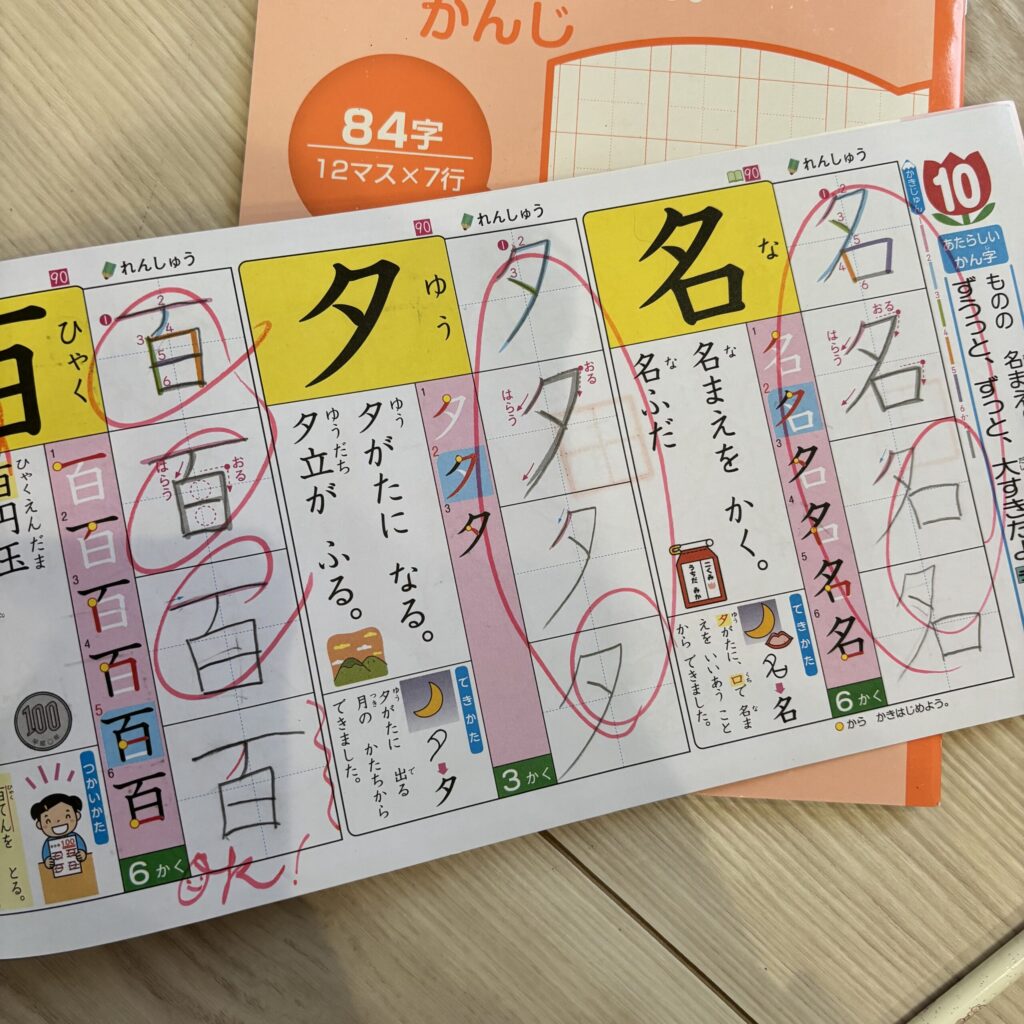
- Real Handwriting: You can see the natural balance and pencil pressure of a native speaker, which is much better than “perfect” computer fonts.
- Stroke Order: These drills show the correct order clearly, which is essential for writing beautiful characters.
- Motivation: Seeing how hard Japanese children work to master their own language can be a huge boost for your own motivation!
Pro Tip: Use Grid Notebooks (Masume)
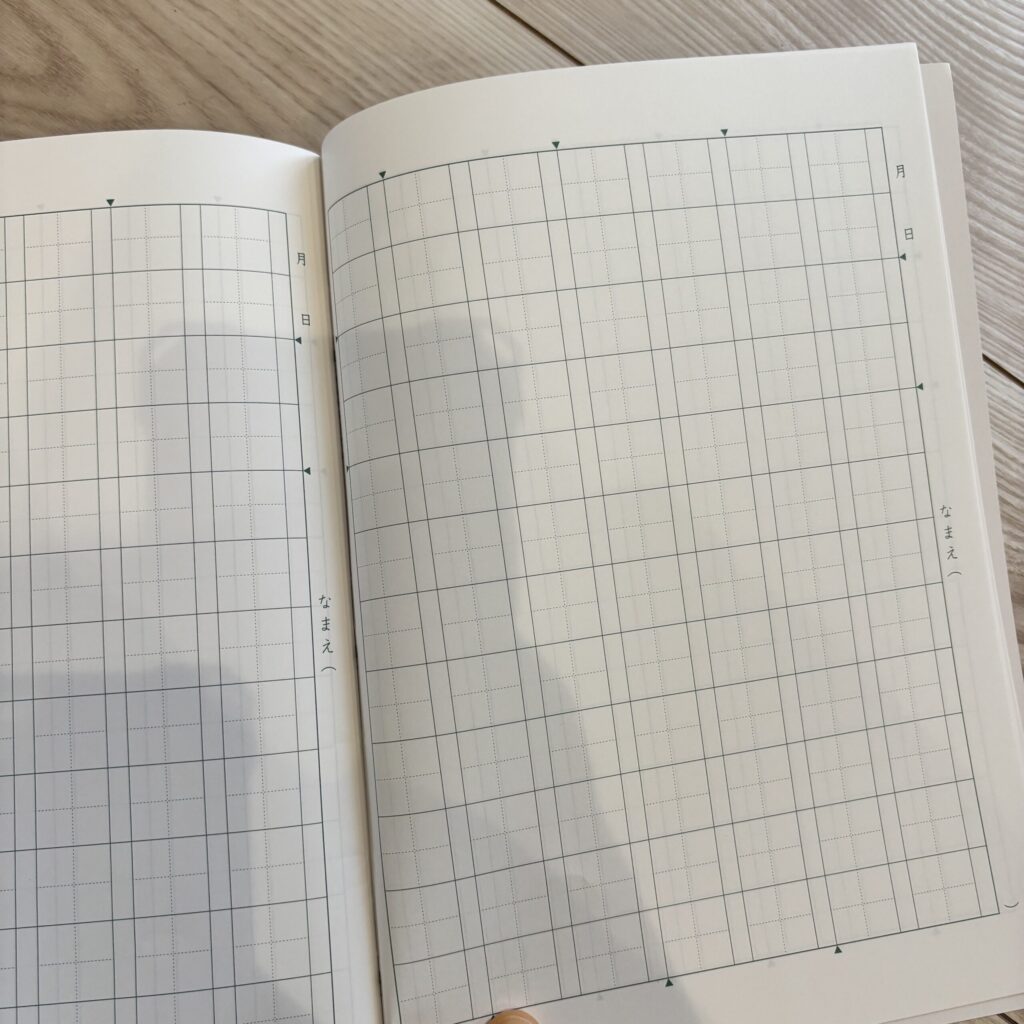
In Japan, students use grid notebooks to ensure their characters are centered and balanced. The size of the grid changes as they grow:
| Grade | Kanji Drill Notebook | Japanese (Kokugo) Notebook |
| 1st Grade | 50 characters per page | 8 – 10 grids |
| 2nd Grade | 84 characters per page | 10 – 12 grids |
| 3rd Grade | 91 characters per page | 12 – 18 grids |
Using these same notebooks will help you develop beautiful, professional-looking Japanese handwriting!
5. Where to Buy: Check Out Mercari Japan!
If you live in Japan, I highly recommend checking Mercari. It is a waste (Mottainai) to throw away such high-quality educational materials!
I am currently preparing to list my daughter’s textbook collection on Mercari. Since I only have one set, it will be first-come, first-served!
6. Conclusion
Japanese textbooks are more than just study tools; they are a window into the country itself. By using these materials, you aren’t just learning words—you are learning the beauty of the Japanese spirit.
I hope these books help you on your journey to discovering this beautiful country.
What kind of textbooks did you use in your country? Let me know in the comments below!
コメント