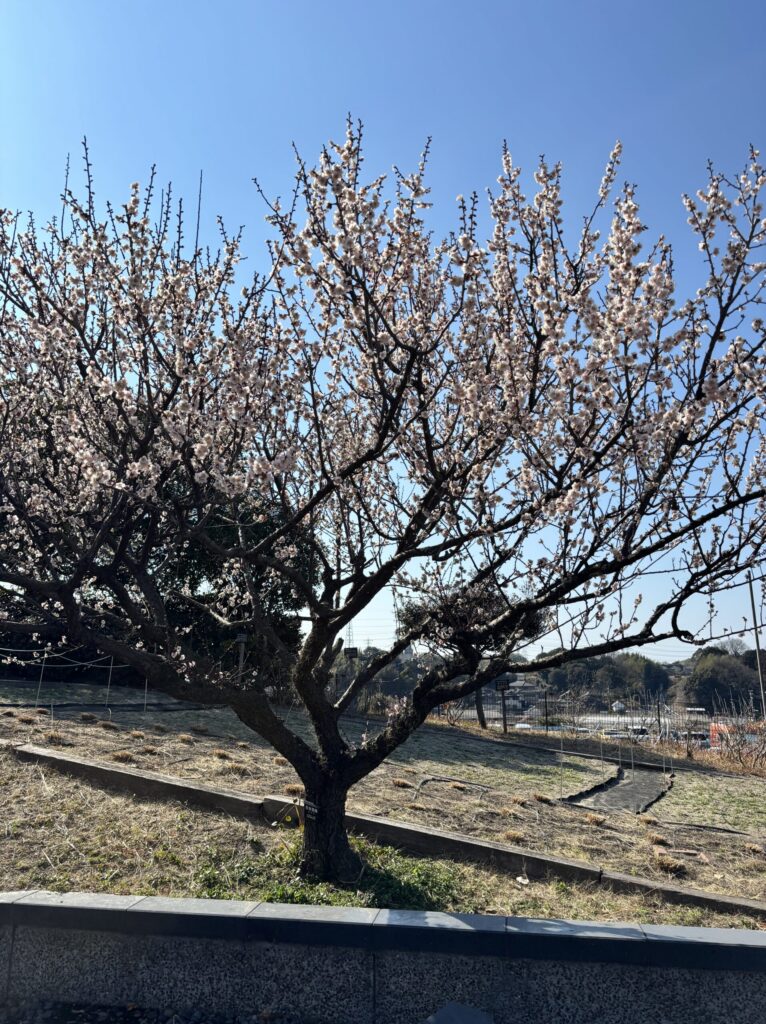
Spring is finally arriving in Japan, and the plum blossoms (Ume) are in full bloom!
Today, I’ll share the current status of my rental garden and the wonderful harvest I’ve had.
1. Broccoli: The Magic of “Kin-chan” Method
In late September, I planted three broccoli seedlings and one stick broccoli.
For this bed, I used the “Kin-chan” method (a Japanese organic soil-making technique) using fermented kitchen scraps.
The seedlings were thin at first, but they grew incredibly strong!
Since the main harvest in January, many side shoots have appeared.
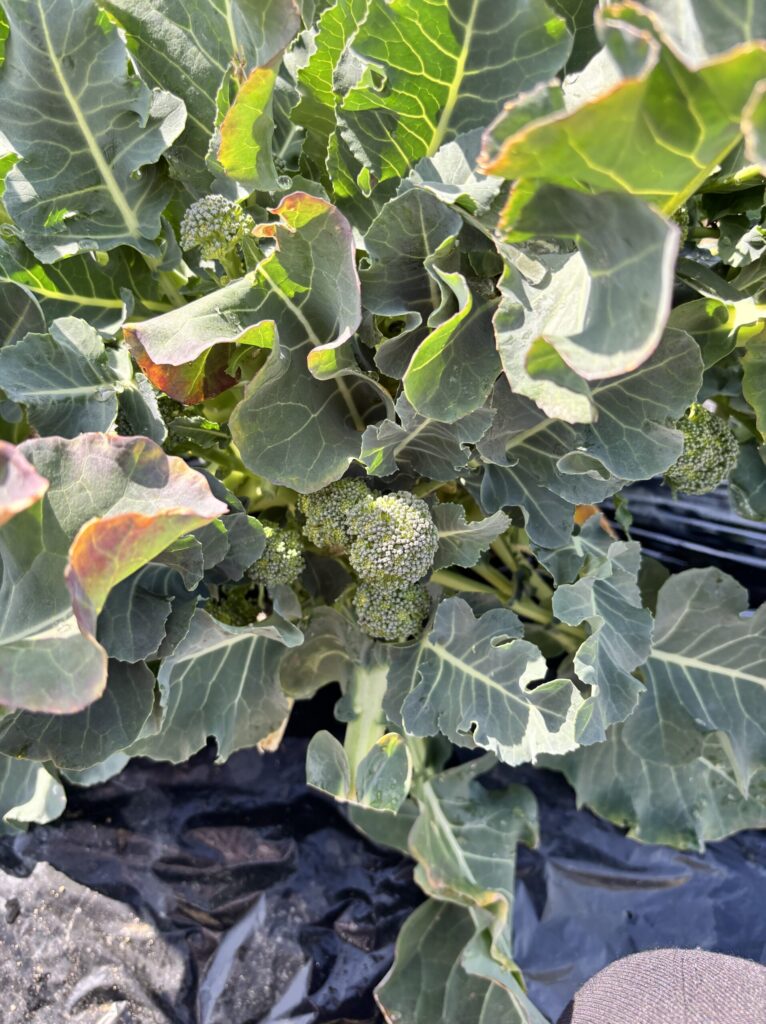
I only water them once a week and use zero chemical fertilizers or pesticides.
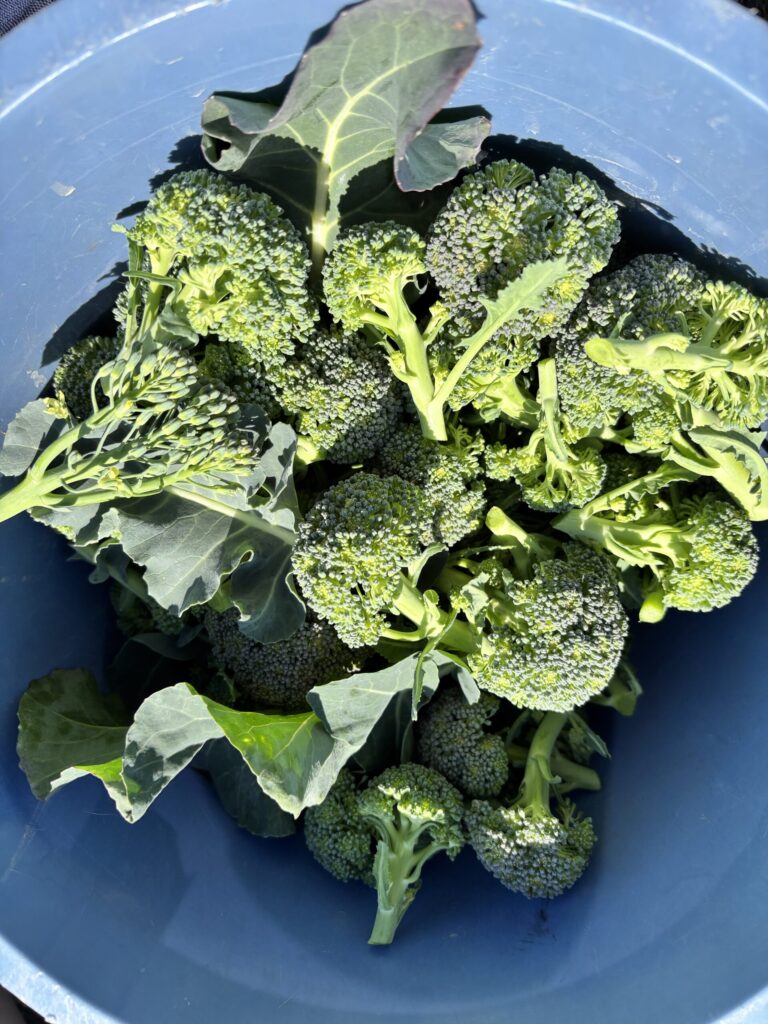
Thanks to the rich soil, I harvested a whole bucket of broccoli just the other day!
How to eat: The “40-second” Rule
Homegrown broccoli tastes so much richer than store-bought.
I also noticed something surprising: it cooks twice as fast!
Usually, I boil store-bought broccoli for 2 minutes.
But for my fresh harvest, 40 seconds is enough.
If I boil it for 1 minute, it becomes too soft! This made me realize how much moisture store-bought vegetables lose over time.
Tip: Try sautéing broccoli with squid—it’s a perfect snack for beer!
Also, don’t throw away the leaves. Sautéing them with eggs and garlic tastes just like delicious cabbage.
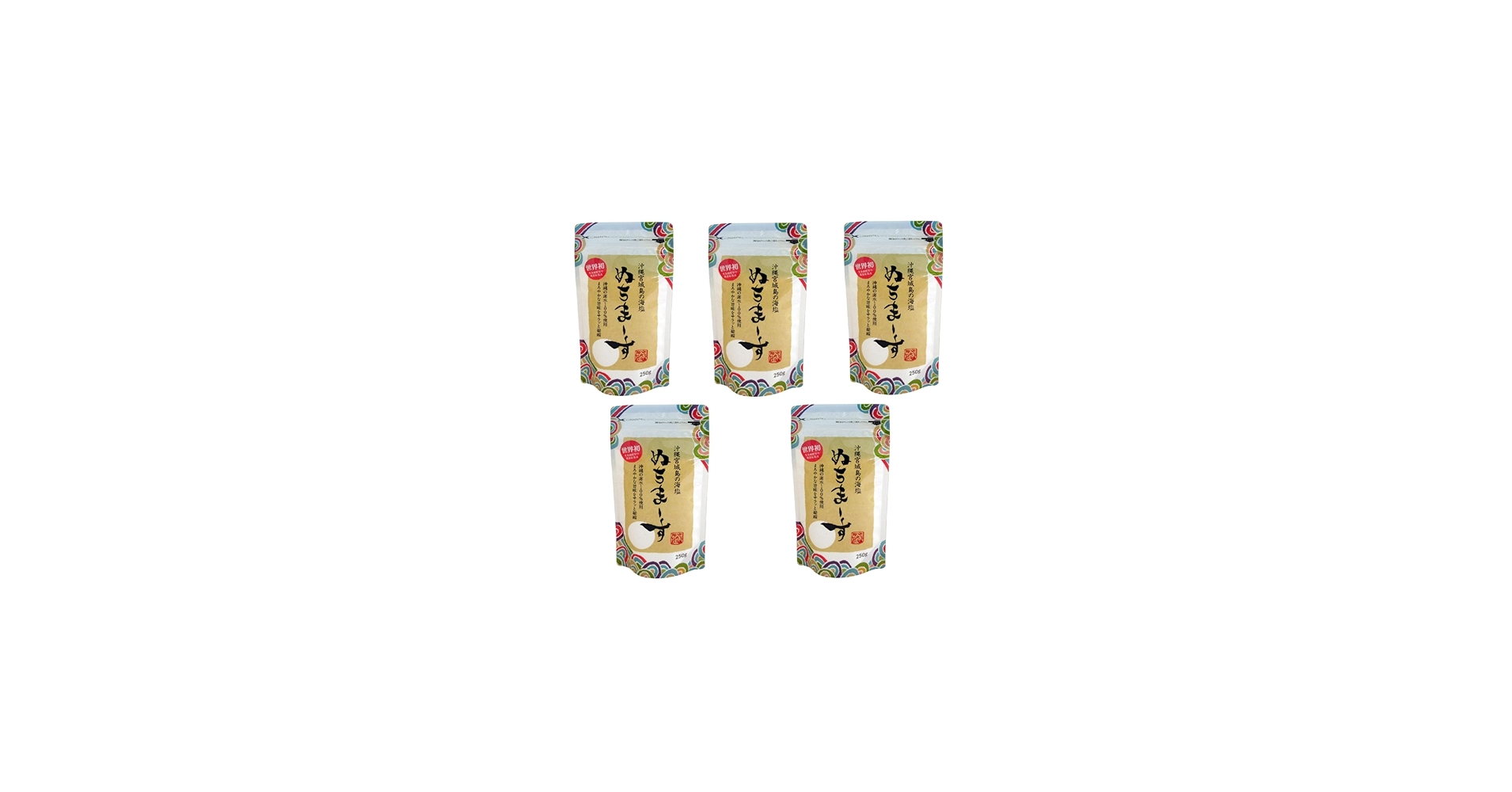
Real sea salt brings out the sweetness of vegetables👇

Eco-friendly Soil
Using kitchen scraps is great for the environment and the soil stays incredibly fluffy.
You don’t even need extra fertilizer!
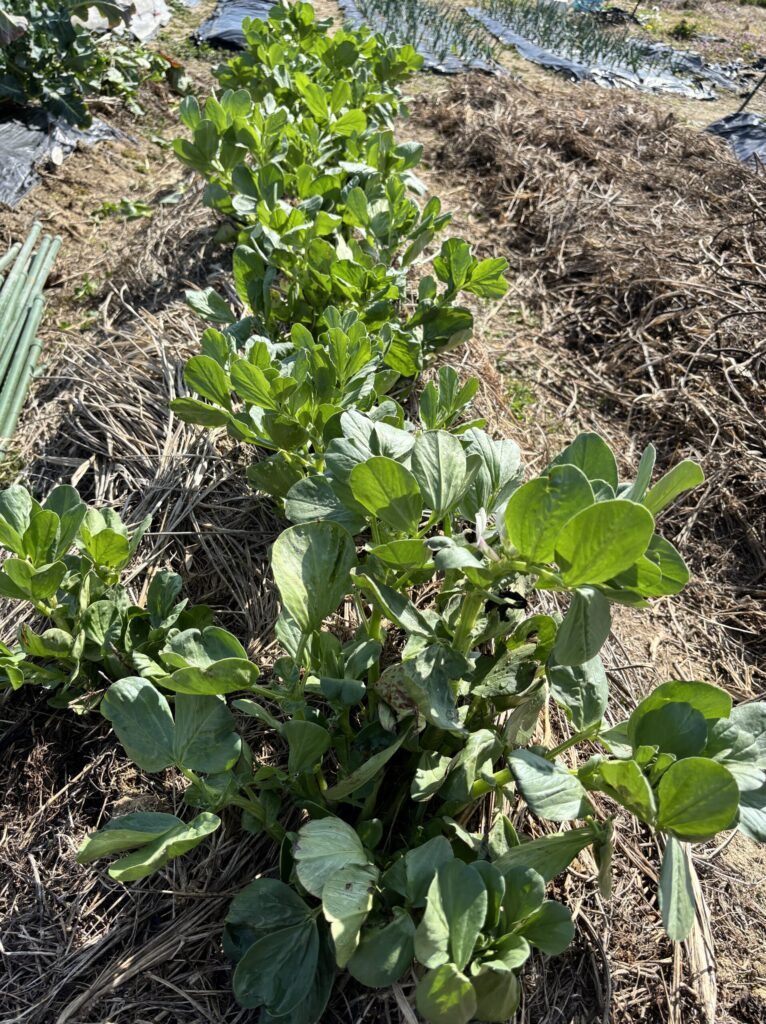
2. Fava Beans (Soramame)
I planted these in November using the “dried grass” version of the Kin-chan method. In Japan, we plant them in autumn, let them sleep in winter, and harvest in spring.
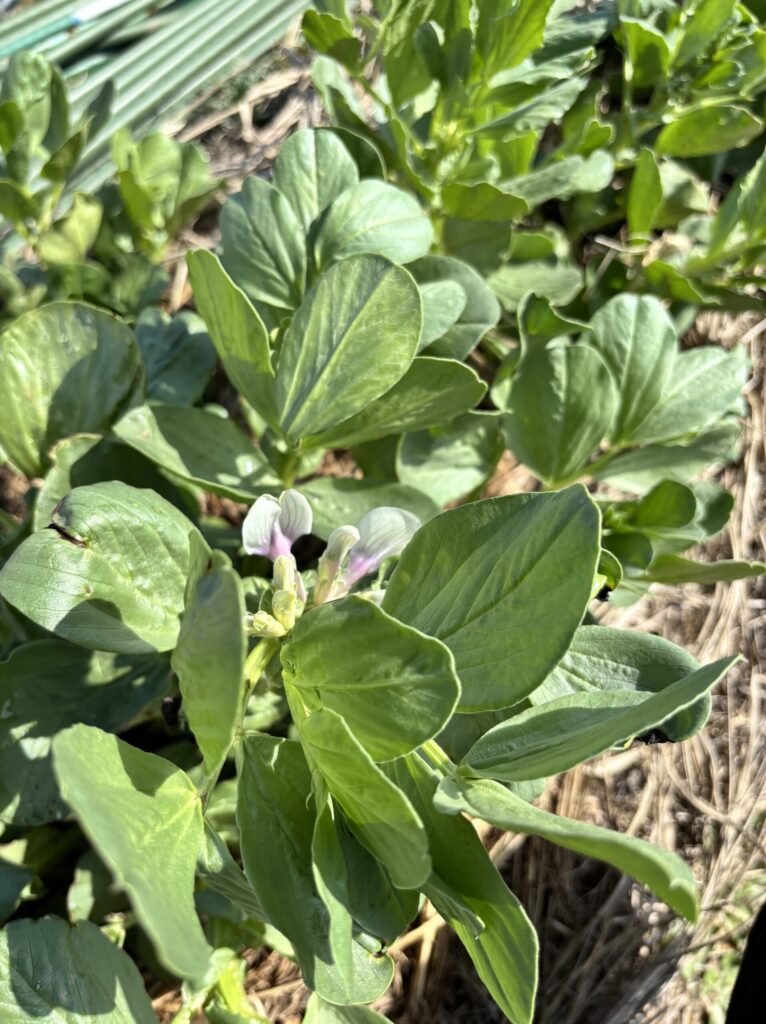
I was worried because my seedlings were a bit weak, but they finally started blooming this March!
I’m so relieved. I’m trying to manage them without chemicals, so my next challenge is protecting them from aphids as it gets warmer.
3. Snap Peas and My “Artistic” Netting
My snap peas are growing well, but I have a confession: my netting skills are terrible! (Haha).
Even after a year of gardening, my nets are always a bit wobbly. I’ll share a photo once I get better at it!
4. Planting Potatoes: “Red Moon” Variety
I recently planted a variety called “Red Moon” (red-skinned, sticky texture).
Usually, people in Japan coat the cut side of the seed potato with ash to prevent rotting, but I planted mine whole this time.
I’m looking forward to delicious “Jaga-butter” (baked potato with butter) soon!
5. March To-Do List
I’ve rented another plot!
I’m currently preparing the soil with bark compost and oyster shell lime.
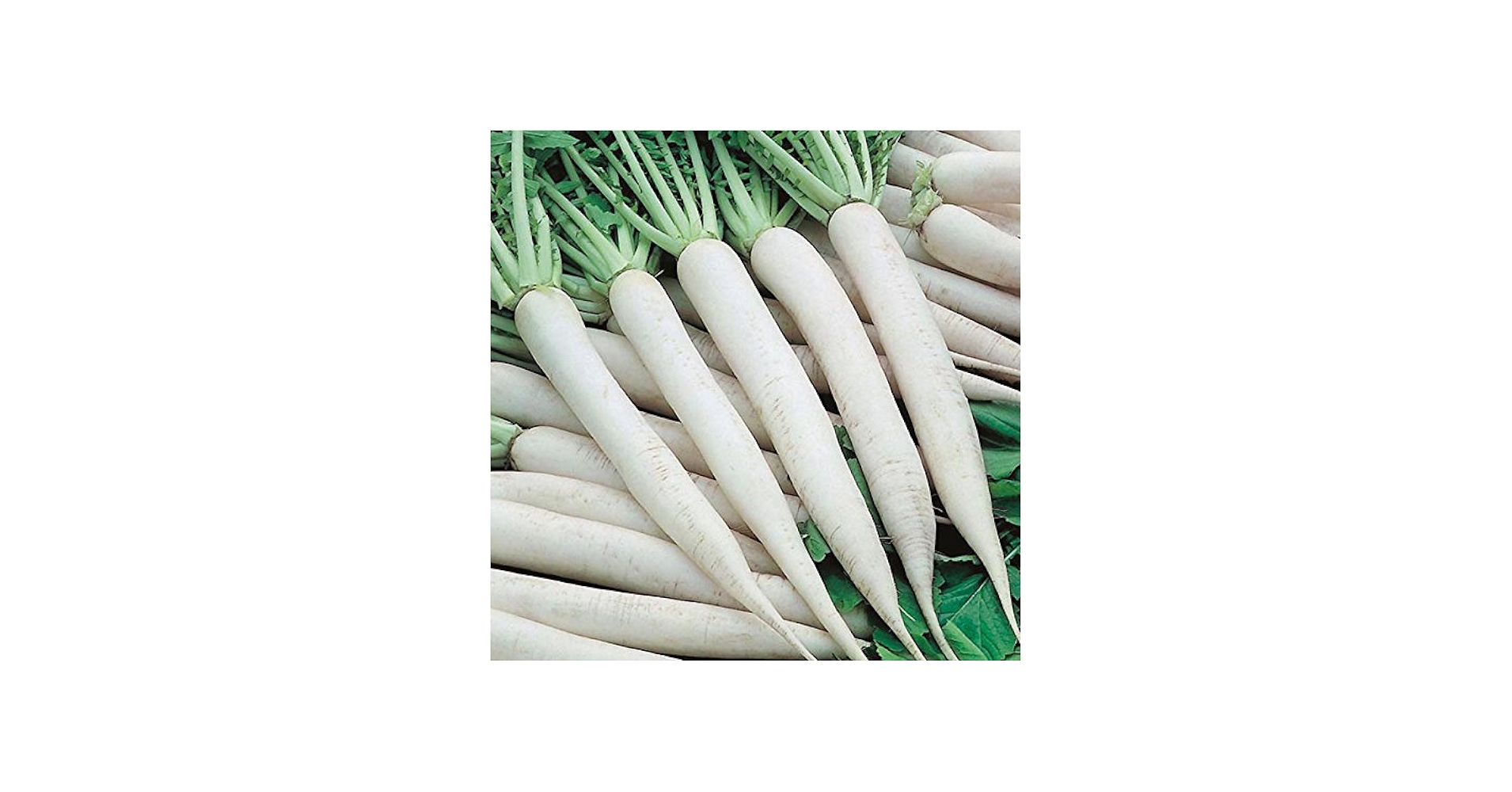
I also plan to sow carrots and daikon radish seeds later this month.
Daikon radish seeds👇 They are so yummy and you can cook anything with it!
March is a busy but exciting season for gardeners in Japan. It’s time to start thinking about herbs and leafy greens too!
日本語バージョン👇(Japanese version)

コメント